









By Ayomide Otitoju
Bola Tinubu has attributed Nigeria’s longstanding fiscal challenges to colonial-era tax laws, saying they entrenched fragmentation, inefficiency, and inequality, while assuring that ongoing reforms will promote prosperity and inclusivity.
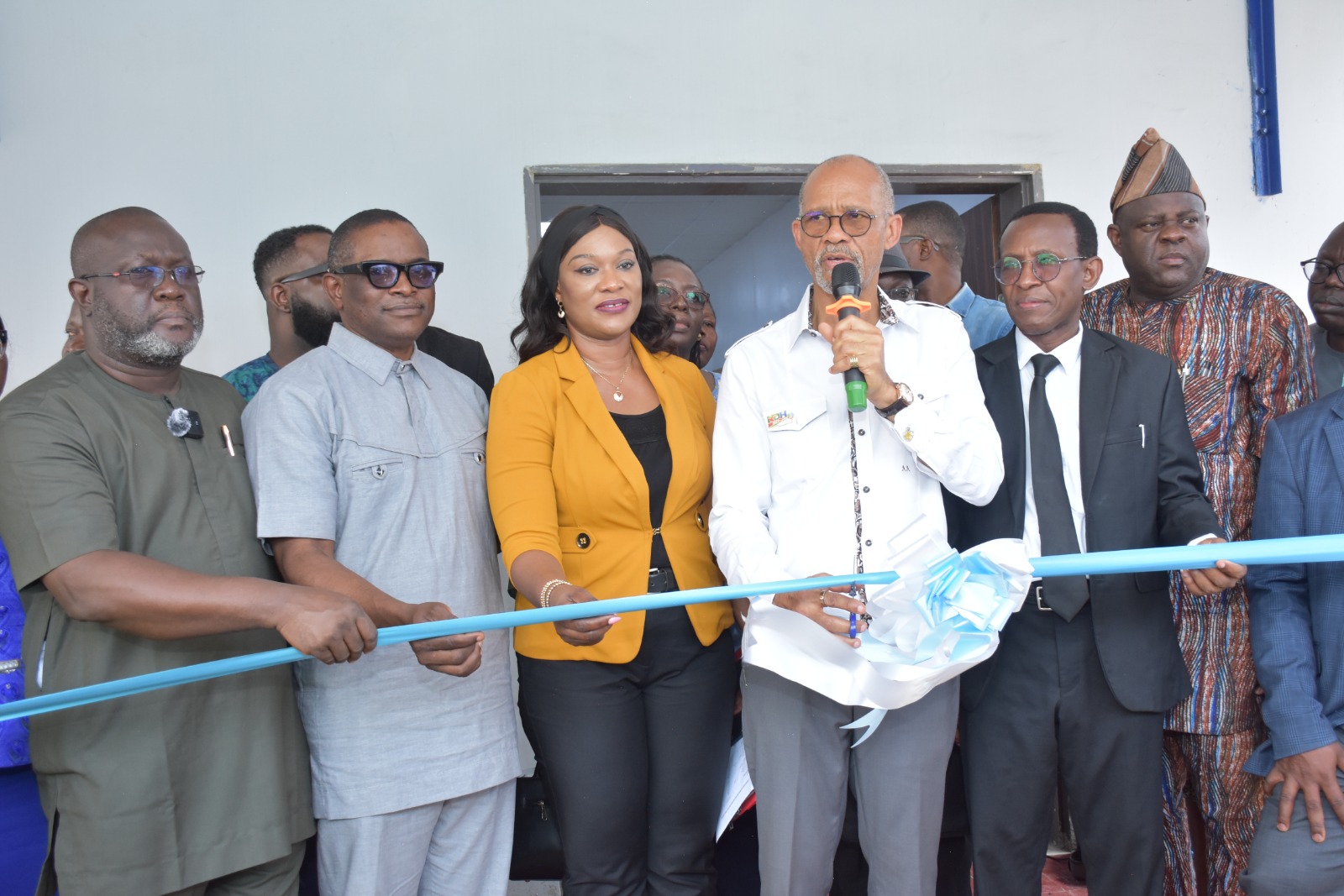
The President made the remarks on Tuesday in Abuja during the inauguration of the 16-storey Nigeria Revenue Service (NRS) headquarters, describing the new tax framework as people-centred and investment-friendly.
Tinubu said the reforms, which became fully operational in January, are aimed at overhauling outdated tax structures, improving transparency, and strengthening the country’s revenue base to support sustainable development.
He noted that a fragmented and opaque tax system undermines public trust and national growth, stressing that the administration’s fiscal reforms are designed to create a fair, efficient, and globally competitive economy.
The President commended the Executive Chairman of the NRS, Zacch Adedeji, for overseeing the completion of the headquarters, which he said provides modern facilities for staff and enhances operational efficiency.
He also acknowledged the role of the Minister of State for Finance, Taiwo Oyedele, in driving the reform of legacy tax laws into a more coherent and accessible system.
Tinubu said early outcomes of the reforms indicate improved fiscal stability, stronger foreign reserves, and increased investor confidence, adding that the new system is designed to reward enterprise and ensure equitable contribution to national development.
He, however, urged the NRS to uphold high standards of professionalism, transparency, and accountability, stressing the need to build public trust and position the institution as a model revenue agency.
Also speaking at the event, Senate President Godswill Akpabio called for patience from Nigerians, noting that economic reforms are beginning to yield results, particularly in stabilising fuel supply.
Similarly, Speaker of the House of Representatives, Tajudeen Abbas, said the reforms have brought coherence to Nigeria’s previously fragmented revenue system, aligning policies and institutions for improved outcomes.
The event was attended by top government officials, lawmakers, private sector leaders, and state governors, underscoring the significance of the reforms in Nigeria’s economic agenda.


