



By Ayomide Otitoju
Nigeria has formally declared its bid for membership of the United Nations Human Rights Council (UNHRC) for the 2027–2029 term.
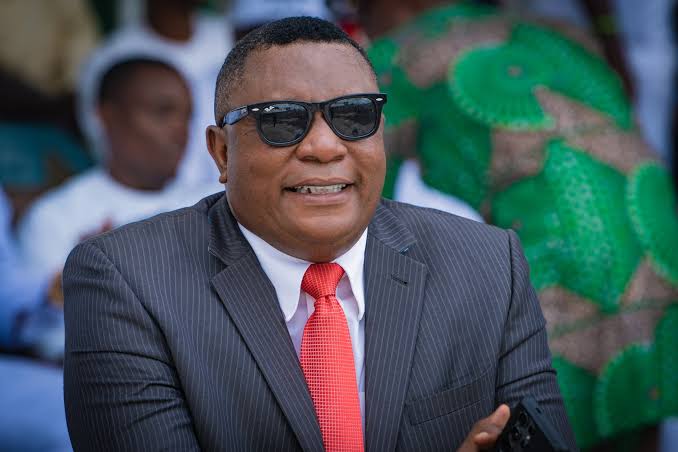
In a video statement, Minister of Foreign Affairs, Yusuf Tuggar, announced the country’s candidature, describing the council as a critical platform for dialogue, conflict prevention and international cooperation on human rights.
Tuggar reaffirmed Nigeria’s willingness to engage fully with the council’s mechanisms, noting that they are essential to the global promotion and protection of human rights.
He outlined government efforts to safeguard vulnerable groups, particularly children, amid prevailing security challenges, including plans to finance safe schools and strengthen secure learning environments across the country.
“While no nation is immune, Nigeria’s experiences have only deepened our resolve to protect the right to life and the security of all citizens, especially our children whose right to learn in safety is a sacred priority,” he said, adding that the government has accelerated a national plan to fund state schools and improve security infrastructure.
The minister said Nigeria was also reinforcing accountability through ongoing reforms and enhanced regional and international cooperation to ensure that human rights and humanitarian standards are integrated into internal security operations, with civilian protection as a primary focus.
He reiterated the country’s commitment to freedom of religion and belief, stressing that peaceful coexistence among faith communities remains fundamental to national unity. Nigeria, he added, is determined to ensure that all citizens, regardless of creed or ethnicity, are protected under the rule of law.
Tuggar further highlighted ongoing economic reforms, social investment programmes and the growth of Nigeria’s digital economy as measures aimed at promoting development and stability.
Addressing environmental concerns, he said the protection of human rights is closely linked to climate action. Nigeria, he noted, is advancing climate adaptation strategies anchored on sustainable development and intergenerational equity.
He emphasised that Nigeria recognises the responsibilities that come with membership of the council and is prepared to collaborate with international partners to advance peace, justice and sustainable development across Africa and beyond.
Nigeria previously served on the council until 2020, following its re-election for the 2018–2020 term. Elections to the UNHRC are conducted annually, with members serving three-year terms on a rotational basis.


