






The United States has expressed concern over Nigeria’s continued import restrictions on 25 product categories, saying the ban is negatively impacting U.S. exporters across key sectors, including agriculture, pharmaceuticals, beverages, and consumer goods.
In a statement posted Monday on its official X (formerly Twitter) handle, the United States Trade Representative (USTR) said the Nigerian government’s policies, which prohibit imports of items such as beef, pork, poultry, fruit juices, medicaments, and alcoholic beverages, pose “significant trade barriers” and reduce market access for American businesses.
“These restrictions are leading to lost revenue opportunities for U.S. exporters seeking to expand in one of Africa’s largest economies,” the statement said.
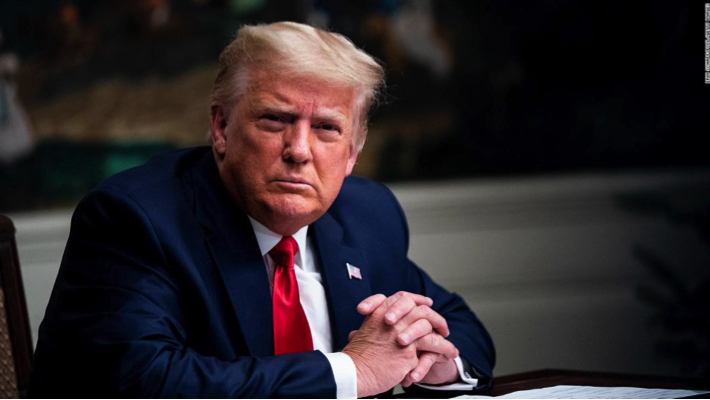
The criticism comes amid rising global trade tensions following sweeping tariffs imposed last week by the Trump administration. Nigeria was among the countries affected, receiving a 14% tariff on its exports to the United States.
The fallout was immediate on Nigeria’s financial markets. On Monday, Nigerian stocks suffered their sharpest decline in recent weeks, with investors losing N659 billion in market value. The Nigerian Exchange (NGX) All-Share Index (ASI) dropped by 1.23%, falling to 104,216.87 points from the previous day’s 105,511.89. The equities market capitalization also dipped to N65.49 trillion.
Shares of Oando and Honeywell Flour Mills were among the hardest hit. Oando fell by 10%, closing at N37.80 from N42, while Honeywell dropped by 9.98% to N10.19 from N11.32.
Reacting to the developments, Nigeria’s Minister of Finance, Wale Edun, acknowledged the impact of the U.S. tariffs and pledged measures to mitigate the effect. Speaking at an event organized by the Ministry of Finance Incorporated, Edun said the Federal Government would intensify efforts to boost non-oil revenue and increase crude oil production to cushion the economic impact.
“The Economic Management Team (EMT) will convene to assess the likely implications of the 14% tariff on Nigerian exports and formulate strategies to protect the local economy,” Edun said.
He also noted that while the tariffs may indirectly affect Nigeria through a potential decline in global oil prices, the government remains committed to economic diversification.
Meanwhile, in a related global development, China vowed Tuesday to “fight to the end” against new U.S. tariffs of up to 50%, intensifying a trade dispute that has already erased trillions in value from global markets.
As international trade tensions escalate, analysts warn that Nigeria must adopt proactive strategies to safeguard its economic interests while maintaining its position in the global trade ecosystem.


