








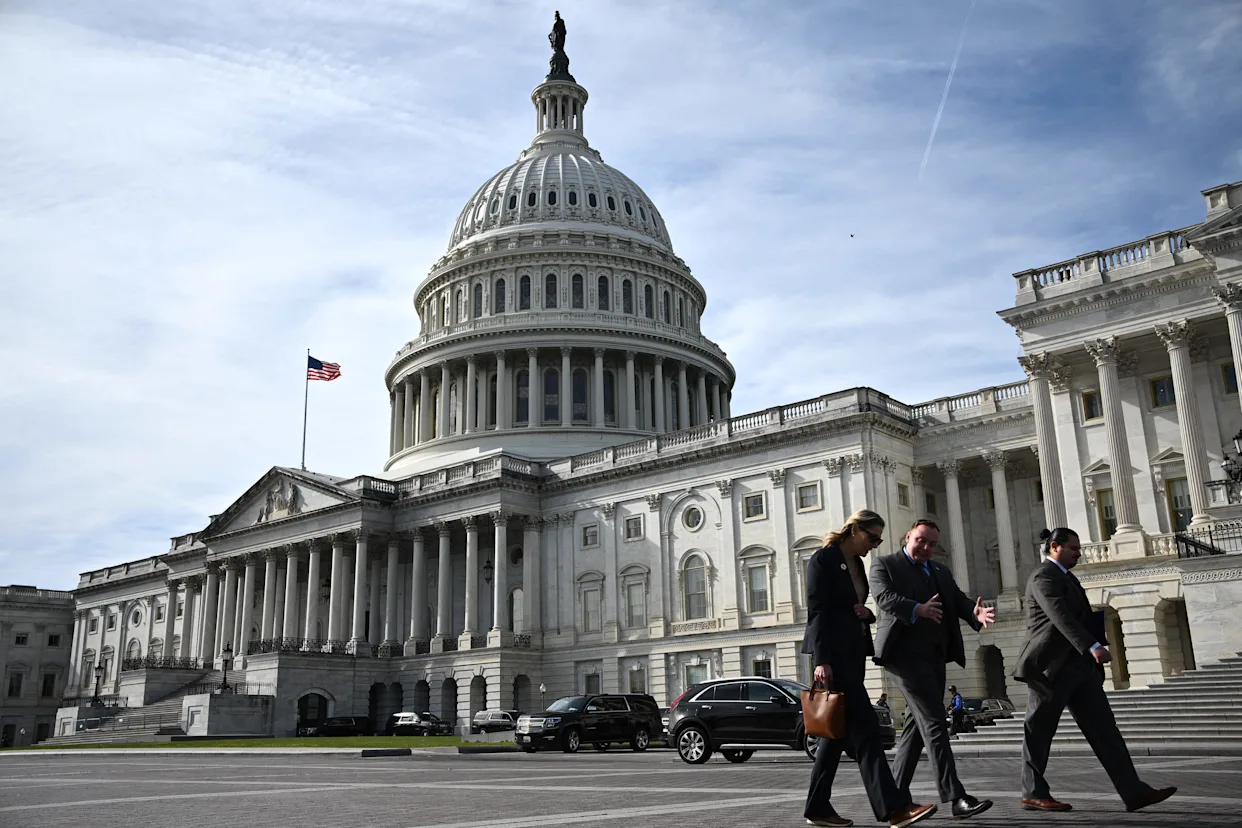
The United States entered its longest-ever government shutdown on Wednesday, surpassing the 35-day record set during Donald Trump’s first term, as the administration warned of looming air travel chaos and disruptions to welfare benefits amid stalled negotiations in Congress.
The shutdown, which began after lawmakers failed to approve funding beyond September 30, has crippled federal operations, leaving 1.4 million workers — including air traffic controllers and park wardens — either furloughed or working without pay. Essential services are increasingly strained as major welfare programs, including food assistance for millions of Americans, remain in limbo.
Transportation Secretary Sean Duffy warned that if the impasse continues for another week, airports could face “mass chaos,” with staff shortages forcing flight delays, cancellations, and even closures of sections of U.S. airspace. “We just cannot manage it because we don’t have the air traffic controllers,” Duffy said at a press briefing in Philadelphia.
The warning comes as the American Automobile Association (AAA) projects a record 5.8 million people will fly domestically over the Thanksgiving holiday. With more than 60,000 air traffic controllers and Transportation Security Administration (TSA) officers currently working without pay, the White House fears rising absenteeism could snarl airports nationwide — a repeat of the 2019 shutdown that ended amid similar travel chaos.
The standoff in Congress centers on health care spending. Democrats are demanding a deal to extend insurance subsidies before approving new government funding, while Republicans insist that negotiations on health care can only resume after Democrats agree to reopen federal agencies.
Despite leadership gridlock, a small group of centrist lawmakers from both parties has been working on a compromise to lower health insurance costs, hoping to break the deadlock. Democrats believe rising premiums during the new enrollment period will intensify public pressure on Republicans to seek a resolution.
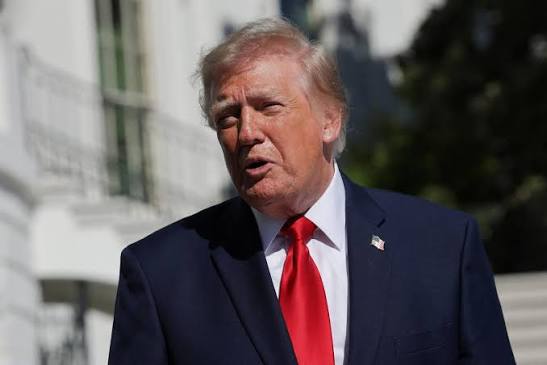
President Donald Trump, however, has remained defiant, telling CBS News that he “would not be extorted.” He has doubled down on using the shutdown as leverage, even threatening to suspend the Supplemental Nutrition Assistance Program (SNAP), which provides grocery aid to 42 million Americans.
Although two courts blocked the move, the White House later clarified that it was “fully complying” with legal obligations and working to distribute partial SNAP payments “as much as we can and as quickly as we can.”
With no breakthrough in sight, the prolonged shutdown continues to test the resilience of federal workers and deepen economic uncertainty across the country.


