




Britain’s annual inflation rate fell more than expected to 2.6 per cent in June, driven largely by lower petrol and diesel prices, according to official figures released on Wednesday.
Data from the Office for National Statistics (ONS) showed the Consumer Prices Index (CPI) rose by 2.6 per cent in the 12 months to June, down from 2.8 per cent recorded in May.
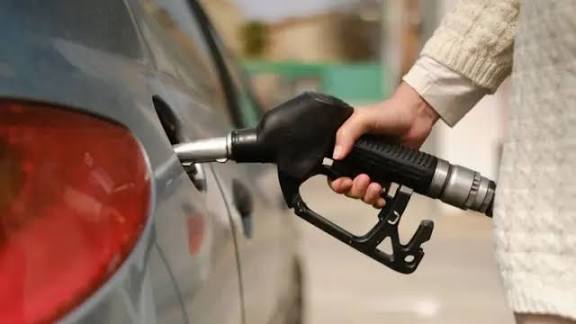
The decline was mainly attributed to falling fuel prices following a drop in global crude oil prices after a ceasefire between the United States and Iran.
However, analysts warned that the easing in inflation could be temporary, as renewed fighting in the Middle East this month has pushed oil prices higher following the collapse of an initial peace agreement.
The latest inflation figures come as Britain’s new Prime Minister, Andy Burnham, seeks to reduce the cost-of-living burden on households.
Since taking office on Monday, Burnham has announced measures including the removal of value-added tax (VAT) on household electricity bills from October and a £2 cap on single bus fares.
Commenting on the inflation figures, Finance Minister John Healey said the decline was encouraging but stressed that more support was needed for families.
“Falling inflation is news families want to hear, but there is much more to do to give people the breathing space they need,” Healey said.
He added that tackling the cost of living would remain at the centre of the new government’s agenda.
The VAT exemption on electricity bills is expected to cost the Labour government about £850 million during the current financial year. The policy is due to take effect at the same time Britain’s energy regulator is expected to raise its price cap for electricity and gas, reflecting the impact of higher global energy prices linked to the renewed US-Iran conflict.
Economists expect inflation to rise again later in the year, with forecasts suggesting it could exceed three per cent in September and approach 3.5 per cent early next year if energy prices remain elevated.
Burnham has also pledged support for small businesses affected by previous tax increases while maintaining the fiscal discipline introduced under former Prime Minister Keir Starmer.
Meanwhile, official figures released on Tuesday showed UK government borrowing fell more than expected in June, providing a positive signal for the new administration’s fiscal plans.
Analysts, however, cautioned that escalating geopolitical tensions and rising oil prices could reverse recent progress in bringing inflation under control.