





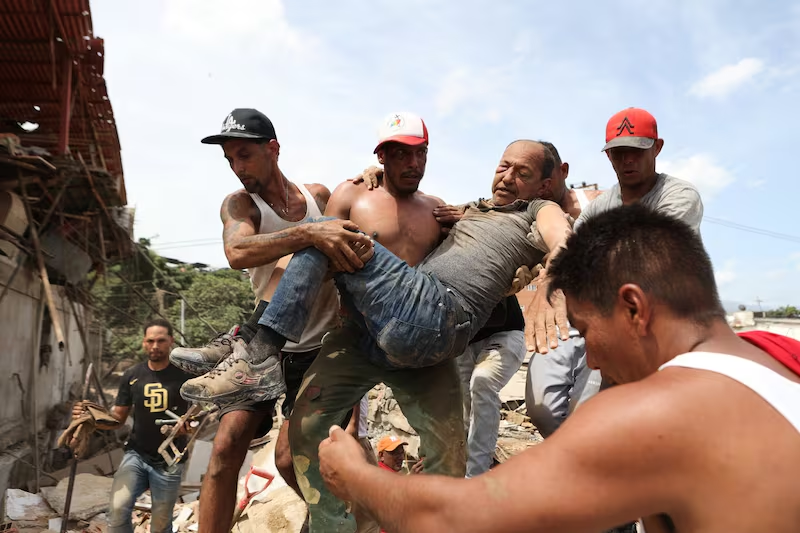
The United Nations has estimated that nearly seven million people could be affected by the twin earthquakes that struck Venezuela on June 24, leaving at least 920 people dead and tens of thousands missing.
In a statement issued on Saturday, the International Organization for Migration (IOM) said an assessment of available population and damage data indicated that up to 6.76 million people may have been impacted by the disaster, including about two million residents of the capital, Caracas.
The agency said the projections underscore the potentially severe humanitarian consequences of the twin earthquakes, measuring magnitudes 7.2 and 7.5, which devastated parts of the country on Wednesday.
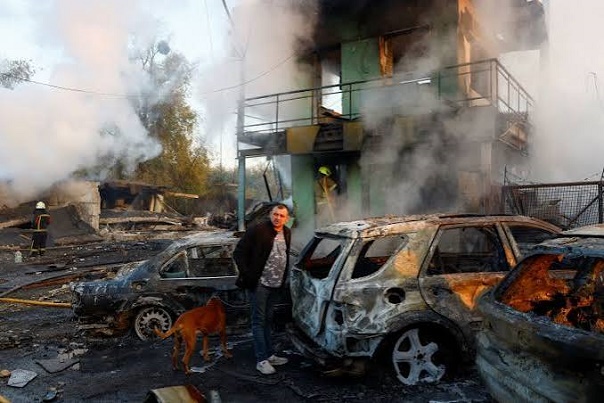
Entire buildings collapsed in the coastal city of La Guaira, north of Caracas, while rescue teams continued searching for survivors trapped beneath the rubble.
The official death toll has risen to 920, while the UN’s Emergency Relief Coordinator, Tom Fletcher, said more than 50,000 people remain missing.
The IOM disclosed that satellite mapping conducted in collaboration with Microsoft’s AI for Good Lab showed that approximately 31.5 per cent of buildings in Catia La Mar sustained damage.
According to the agency, the analysis is helping humanitarian responders identify the hardest-hit communities and prioritise the delivery of life-saving assistance as on-the-ground assessments continue.
“The first hours and days after a disaster are decisive. They shape everything that follows,” IOM Director General Amy Pope said.
She noted that the agency had begun scaling up its emergency response by deploying prepositioned relief supplies and working with the Venezuelan government and humanitarian partners to provide emergency shelter, essential supplies and protection services.
Pope warned that displacement is expected to increase in a country already grappling with a humanitarian crisis before the earthquakes struck.
“A swift response is essential as we deliver life-saving assistance and support the people of Venezuela through the difficult days and months ahead,” she said.
The IOM said humanitarian needs remain immediate and extensive, with thousands of affected families requiring emergency shelter, safe drinking water, sanitation facilities, healthcare and protection services.
Emergency relief supplies already positioned in Caracas are being prepared for distribution to the most affected communities.
The agency called on the international community to urgently support relief efforts, stressing that timely humanitarian assistance would save lives, reduce suffering and help affected communities begin the long process of recovery.