






By Ayomide Otitoju
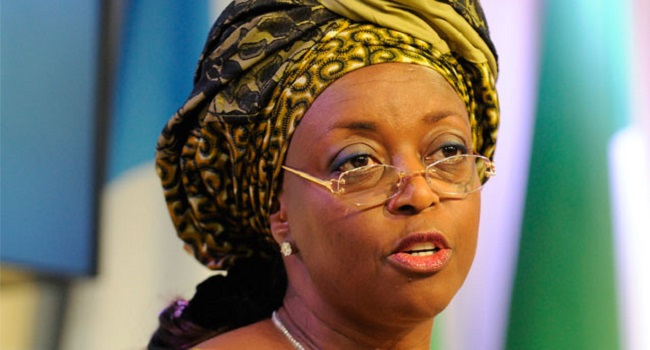
A Senior Advocate of Nigeria (SAN), Wahab Shittu, has attributed the prolonged delay in prosecuting former Petroleum Minister Diezani Alison-Madueke to the complex legal procedures required for extradition. Alison-Madueke, accused of embezzling millions of dollars during her tenure under former President Goodluck Jonathan, has evaded trial in Nigeria by residing in the United Kingdom since leaving office in 2015.
Appearing on Politics Today on Channels Television, Shittu highlighted the intricacies of extradition as the major obstacle preventing Alison-Madueke’s return to face charges.
“Extradition involves stringent legal and administrative compliance, both judicial and international,” Shittu explained. “Efforts have been ongoing across successive administrations, including this one, to surmount these hurdles and ensure she returns to face justice.”
Recoveries Linked to Diezani
Despite challenges in bringing Alison-Madueke to trial, the Nigerian government has made significant progress in recovering assets linked to her alleged crimes. On Friday, Nigeria formally received $52.88 million in recovered assets associated with her from the United States.
At a signing ceremony in Abuja, Attorney-General of the Federation and Minister of Justice, Lateef Fagbemi, disclosed that the funds include $50 million earmarked for rural electrification projects via the World Bank. The remaining $2.88 million will be allocated to the International Institute of Justice to enhance Nigeria’s justice system and bolster anti-corruption efforts.
Continued Push for Accountability
The Nigerian government has faced criticism over its inability to prosecute Alison-Madueke after eight years of alleged corruption under her tenure. While Shittu acknowledged the difficulty of extradition, he emphasized that steps are being taken to ensure accountability.
“Efforts are ongoing to address both legal and extra-legal challenges, and this administration remains committed to bringing her and others who fled the country to justice,” he stated.
The delay underscores the complexity of international legal frameworks but also raises questions about the pace and effectiveness of the government’s anti-corruption campaign.


