






By Ayomide Otitoju
The World Health Organization has granted prequalification approval to a malaria treatment specifically designed for newborns and infants, marking a first in the global fight against the disease.
The treatment, artemether-lumefantrine, is the first antimalarial formulation tailored for the youngest and most vulnerable patients. According to the WHO, the prequalification confirms that the medicine meets international standards of quality, safety and efficacy.
Previously, infants were treated with formulations intended for older children, increasing the risk of incorrect dosing, side effects and toxicity.
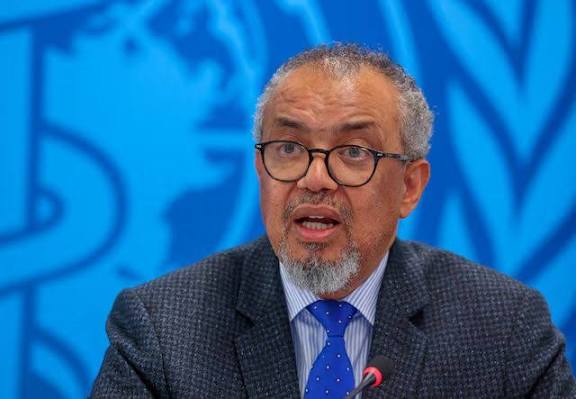
WHO Director-General, Tedros Adhanom Ghebreyesus, described the development as a significant milestone, noting that recent advances—including vaccines, improved diagnostics and next-generation mosquito nets—are helping to shift the trajectory in the fight against malaria.
Global malaria burden remains high, with an estimated 282 million cases and 610,000 deaths recorded in 2024 across 80 countries. Africa continues to bear the heaviest impact, accounting for about 95 per cent of cases and deaths, with children under five representing the majority of fatalities.
The WHO said the approval would facilitate public sector procurement and help bridge a longstanding treatment gap affecting millions of infants born annually in malaria-endemic regions, particularly in Africa.
However, the agency warned that progress is being constrained by challenges such as drug and insecticide resistance, diagnostic limitations, and declining international funding.
The WHO’s prequalification programme is aimed at ensuring that medicines and other health products procured globally meet established standards for safety, quality and performance.