








By Ayomide Otitoju
The World Health Organization (WHO) has marked its first official observance of World Prematurity Day with the launch of a comprehensive global clinical practice guide on Kangaroo Mother Care (KMC), a simple and proven intervention that significantly enhances survival rates for preterm and low birthweight babies.
Each year, an estimated 15 million babies are born prematurely, before 37 weeks of pregnancy. Complications related to preterm birth remain the leading cause of death among children under five. WHO reports that in low-income countries, most extremely preterm infants die within days due to limited access to essential care, while survival is nearly universal in high-income settings.
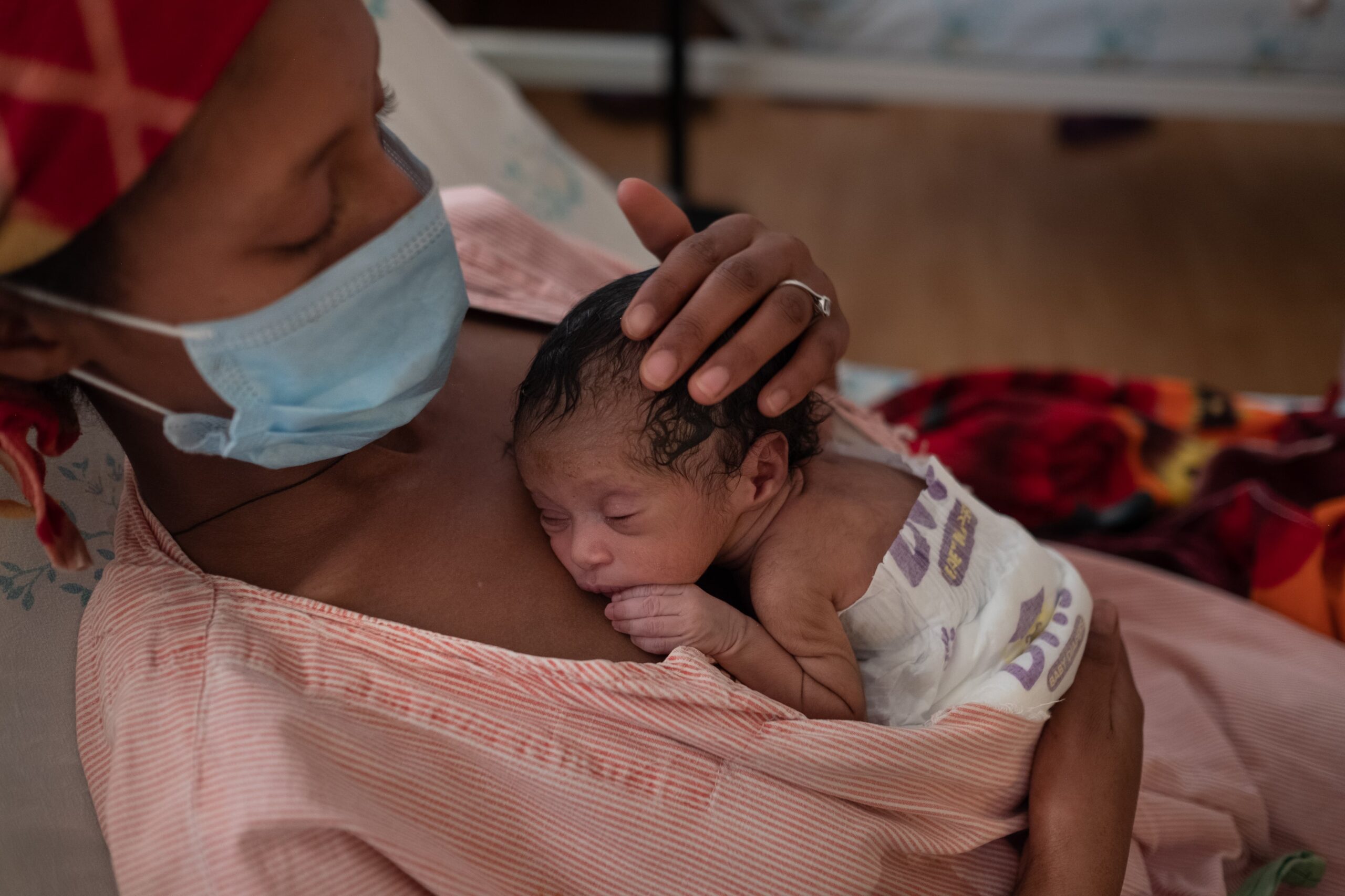
KMC, which combines prolonged skin-to-skin contact with breastfeeding, has been shown to reduce newborn deaths by more than 30%, hypothermia by nearly 70%, and severe infections by 15%. It also promotes improved weight gain, enhanced bonding, and better long-term cognitive outcomes.
“KMC is not just a clinical intervention – it empowers mothers and families and transforms newborn care,” said Dr. Jeremy Farrar, WHO Assistant Director-General for Health Promotion, Disease Prevention and Care. “It should now be universal clinical practice for all small and preterm babies, ensuring they have the best chance to survive and thrive.”
Targeted at health workers, facility managers, and caregivers, the new WHO guide provides detailed, step-by-step instructions for initiating, sustaining, and monitoring KMC. It recommends that all preterm or low birthweight newborns receive KMC immediately after birth, except in cases where the baby cannot breathe independently or has dangerously low blood pressure requiring emergency intervention.
While mothers remain the primary KMC providers, the guide notes that fathers and other family members can also participate when needed. KMC can be practiced across all levels of health facilities—including labour wards, operating theatres, postnatal units, and neonatal intensive care units—and continued at home.
The guide also offers practical advice on positioning and securing the baby using cloth wraps, elastic binders, or specialised garments. It urges health facilities to develop supportive policies, train staff, and create family-friendly environments that allow mothers and babies to remain together at all times.
Marking World Prematurity Day under the theme “A strong start for a hopeful future,” WHO is calling on governments and health systems to prioritise high-quality care for preterm and low birthweight babies. This includes establishing dedicated neonatal units with specially trained staff, ensuring 24-hour care, and providing essential equipment and medicines such as antibiotics.
Preterm babies face heightened risks due to underdeveloped organs, including the lungs, brain, and immune system, making them vulnerable to infections, hypothermia, respiratory distress, heart complications, and other life-threatening conditions.
“No newborn should die from preventable causes,” said Dr. Per Ashorn, WHO’s Unit Head for Newborn and Child Health and Development. “It’s time to ensure every baby gets the attention they need by investing in special care for small and sick infants, alongside quality maternity services that can prevent many preterm births.”


