








By Ayomide Otitoju
Ethiopia’s Ministry of Health has confirmed the country’s first outbreak of Marburg virus disease after laboratory tests identified the virus in samples taken from a cluster of suspected viral haemorrhagic fever cases in the South Ethiopia Region.
Genetic sequencing conducted by the Ethiopia Public Health Institute showed the virus matches strains previously recorded in other East African countries. Nine cases have so far been detected, all linked to Jinka town.
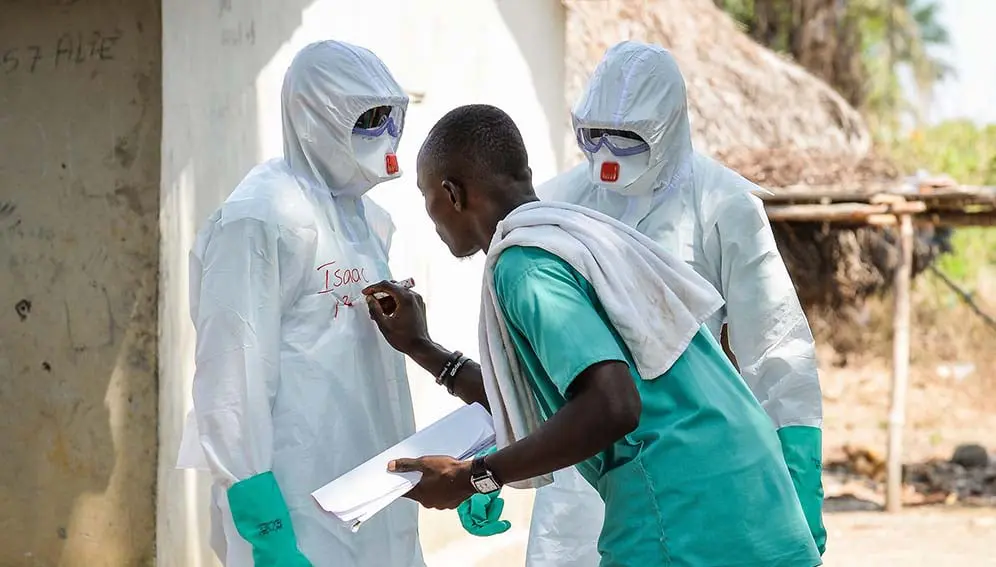
National health authorities have activated an emergency response that includes community-wide screening, isolation and treatment of confirmed cases, contact tracing, and intensified public awareness campaigns aimed at curbing transmission. Marburg virus belongs to the same family as Ebola and spreads through direct contact with infected bodily fluids or contaminated materials.
The World Health Organization (WHO) and partner agencies are supporting the government by deploying outbreak specialists and providing medical supplies and equipment to reinforce the response.
Marburg virus disease is a severe and often fatal illness. Early symptoms include high fever, severe headache, muscle pain, and fatigue, with many patients developing bleeding within a week of symptom onset. Although several therapeutic and vaccine candidates are in clinical trials, there is currently no licensed treatment or vaccine. However, early supportive care—such as oral or intravenous rehydration and treatment of specific symptoms—significantly improves survival chances.
Previous Marburg outbreaks and sporadic cases in Africa have been reported in Angola, the Democratic Republic of the Congo, Ghana, Kenya, Equatorial Guinea, Rwanda, South Africa, Tanzania, and Uganda


