





The World Health Organization (WHO) has rejected claims that Tylenol or vaccines cause autism, countering comments made by U.S. President Donald Trump and his administration.
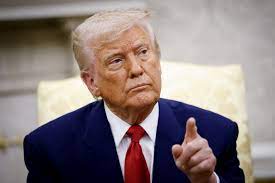
Trump on Monday advised pregnant women to “tough it out” rather than take Tylenol, citing an unproven link between the painkiller and autism. He also called for major changes to childhood vaccination schedules and questioned the safety of ingredients such as aluminum.
WHO spokesman Tarik Jasarevic said Tuesday that while some observational studies had suggested a possible association between prenatal exposure to acetaminophen — the active ingredient in Tylenol — and autism, subsequent research had not supported those findings.
“The evidence remains inconsistent,” Jasarevic told reporters in Geneva. “If the link between acetaminophen and autism were strong, it would likely have been consistently observed across multiple studies.” He cautioned against drawing premature conclusions.
Medical experts have long regarded acetaminophen, also known as paracetamol, as one of the safest painkillers during pregnancy.
On vaccines, Trump repeated talking points of the anti-vaccine movement, raising doubts about standard immunizations such as the MMR shot against measles, mumps and rubella.
Jasarevic stressed that vaccines are safe and effective. “Vaccines do not cause autism,” he said. “The childhood immunisation schedule, carefully guided by WHO, has been adopted by all countries and has saved at least 154 million lives over the past 50 years.”
He noted that current schedules protect children, adolescents and adults against 30 infectious diseases and are continually updated based on scientific evidence. Delaying or altering vaccination timetables without review, he warned, raises infection risks for both individuals and communities.
“Each missed dose increases the chances of contracting a life-threatening infectious disease,” Jasarevic said.