


The United States confirmed Wednesday it is in negotiations with Argentina on a $20 billion economic support program, a move that boosted markets and offered relief to President Javier Milei ahead of critical midterm elections.
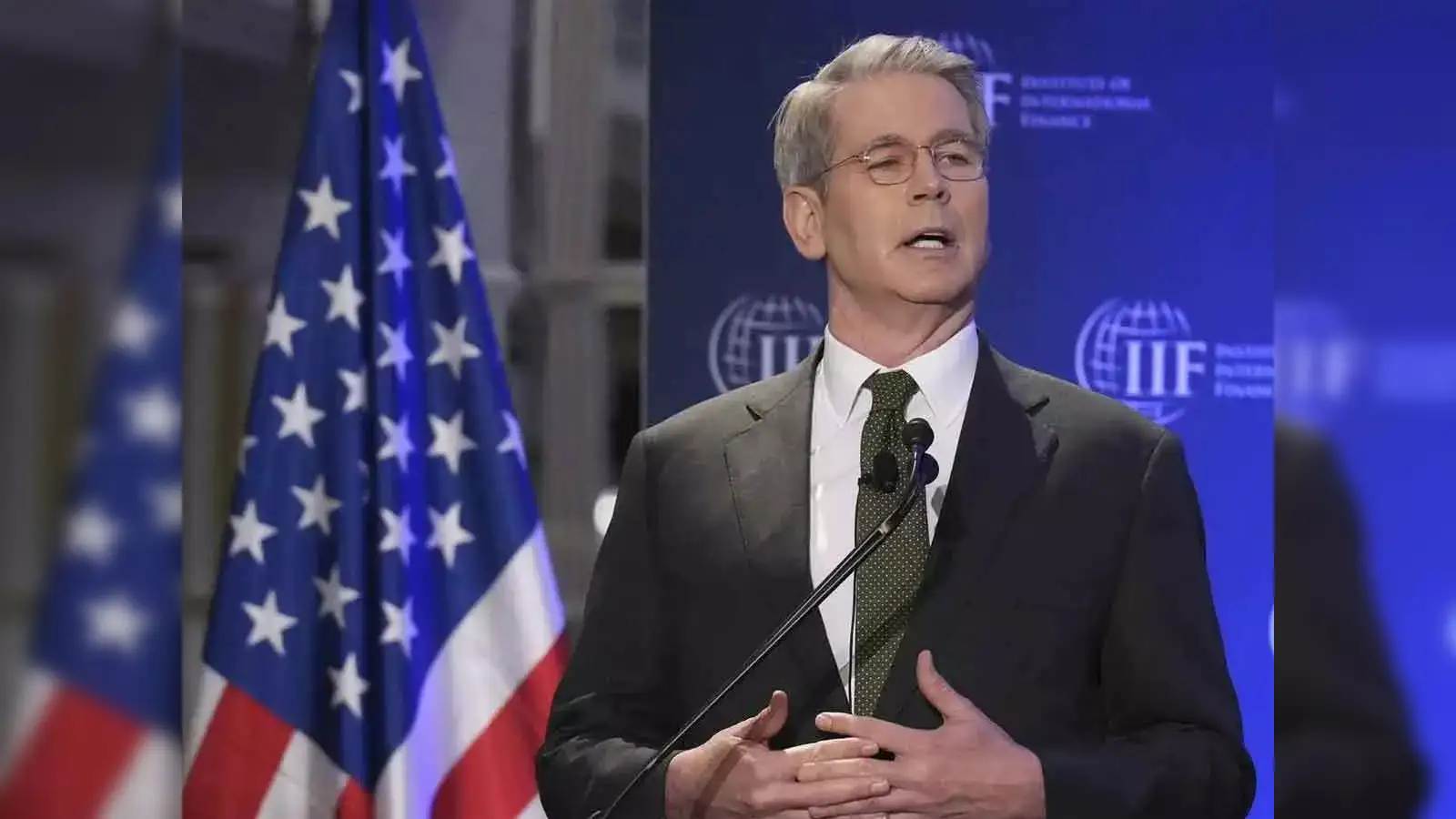
U.S. Treasury Secretary Scott Bessent said discussions include a potential “$20 billion swap line” and Treasury purchases of Argentine dollar bonds. He also indicated Washington was prepared to extend standby credit from the Treasury’s exchange stabilization fund. The announcement lifted Argentina’s peso 1.8 percent to 1,360 per dollar.
The talks followed a meeting in New York between Milei, U.S. President Donald Trump, and Bessent. Trump pledged U.S. backing, saying Argentina did not need a bailout but promising “help.”
Milei, a right-wing Trump ally, is struggling to shore up investor confidence after recent losses in provincial elections and a corruption scandal involving his sister. His austerity agenda has faced mounting resistance, and October’s legislative elections are seen as decisive for his political future.
In a speech to the UN General Assembly, Milei praised Trump for averting “catastrophe” in the United States through his migration and trade policies, describing U.S. stability as essential for global security.
The support talks run parallel to Argentina’s $20 billion loan program with the International Monetary Fund, finalized in April. IMF chief Kristalina Georgieva met Milei in New York on Wednesday, calling the discussion “very constructive” and reaffirming support for Argentina’s stabilization and growth efforts.
The potential U.S. program has drawn scrutiny in Washington. Senator Elizabeth Warren, the top Democrat on the Senate Banking Committee, criticized the move as a politically motivated bailout, questioning the use of emergency Treasury funds to prop up Argentina’s markets.
Bessent rejected the criticism, accusing Warren and others of missing past opportunities to stabilize Latin America.