







By Ayomide Otitoju
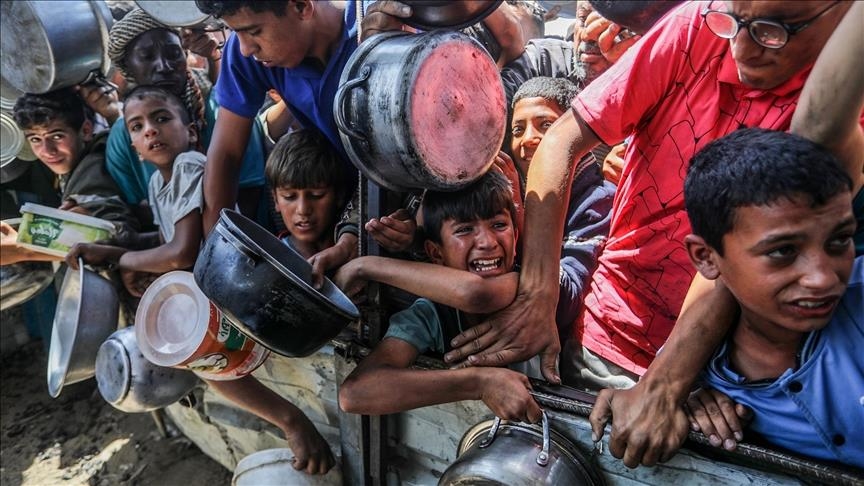
The World Health Organization (WHO) has warned that the risk of famine in Gaza is rapidly intensifying, as nearly half a million people face catastrophic levels of hunger due to the ongoing blockade and deliberate obstruction of humanitarian aid.
According to the latest analysis by the Integrated Food Security Phase Classification (IPC), of which WHO is a partner, all 2.1 million residents of Gaza are experiencing prolonged food insecurity, with acute malnutrition, disease, and death becoming increasingly widespread.
“This is one of the world’s worst hunger crises unfolding in real time,” said WHO Director-General Dr. Tedros Adhanom Ghebreyesus. “We do not need to wait for a declaration of famine to know that people are starving, sick, and dying while food and medicine sit just minutes away across the border.”
While famine has yet to be formally declared, the IPC report shows that three-quarters of Gaza’s population are experiencing “Emergency” or “Catastrophic” levels of food insecurity—the two most severe categories in IPC’s five-phase scale. Since the intensification of the aid blockade on March 2, at least 57 children have reportedly died from malnutrition, a figure that is expected to rise.
The report projects that nearly 71,000 children under the age of five will suffer from acute malnutrition within the next 11 months unless urgent intervention is provided. Pregnant and breastfeeding women are also facing grave risks, with an estimated 17,000 expected to require treatment for acute malnutrition.
The crisis has been compounded by the collapse of Gaza’s healthcare system. With vaccine coverage plummeting, limited access to clean water and sanitation, and an increase in communicable diseases such as diarrhoea, pneumonia, and measles, the region is facing a deadly cycle in which malnutrition and illness fuel each other.
“Malnutrition weakens the body’s ability to heal from injuries and fight infections,” the WHO stated. “At the same time, diseases increase nutritional needs while reducing absorption, making recovery nearly impossible without proper care.”
The long-term consequences are equally dire. Malnourished children may suffer from stunted growth, impaired cognitive development, and lifelong health complications. WHO emphasized that breastmilk is a critical lifeline for infants under six months, especially in environments where clean water is scarce.
WHO also expressed concern over the insufficiency of recently announced Israeli plans to deliver food via designated distribution sites, calling them “grossly inadequate” for addressing the scale of the crisis. The organization reiterated the UN’s call for unimpeded humanitarian access, based on international principles of humanity, neutrality, independence, and impartiality.
Due to the blockade, WHO’s ability to operate 16 outpatient and three inpatient malnutrition treatment centres has been severely compromised. Current stocks within Gaza are only sufficient to treat 500 children, a small fraction of the population in need. Medical supplies for trauma care and disease treatment are also dwindling rapidly.
“People are dying while life-saving aid sits just outside Gaza,” said Dr. Tedros. “This blockade is starving people, denying them their right to health, and stripping them of dignity and hope.”
WHO called for the immediate protection of healthcare infrastructure, the release of all hostages, and a ceasefire that can pave the way for lasting peace and sustained humanitarian access.


