




By Ayomide Otitoju
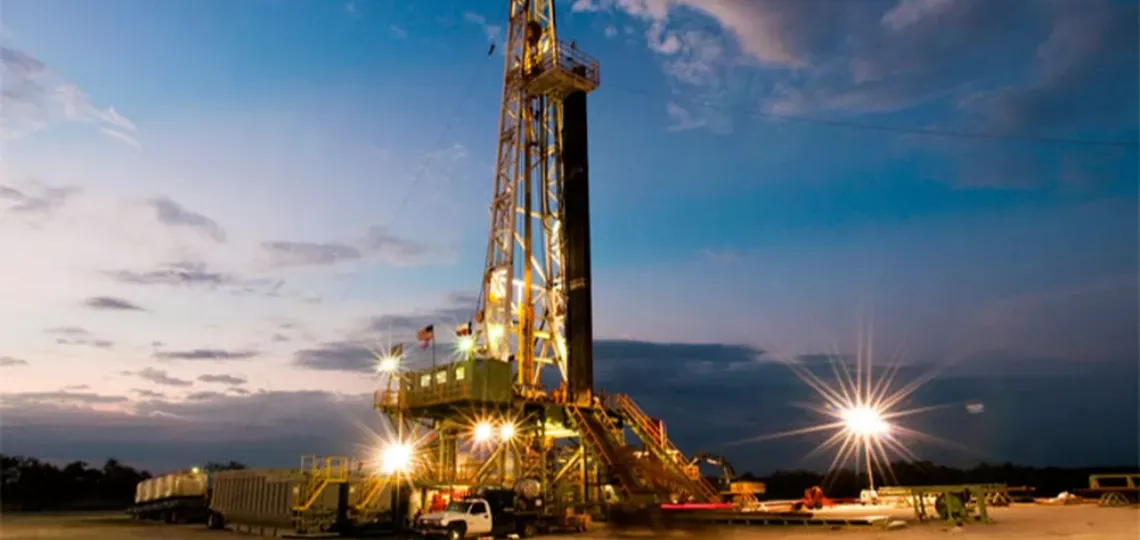
South Africa has lifted its long-standing moratorium on shale gas exploration, marking a pivotal moment in the country’s pursuit of energy independence and economic growth. After more than a decade of uncertainty, the move opens the door for exploration in the resource-rich Karoo Basin, which is estimated to hold up to 200 trillion cubic feet of technically recoverable gas.
According to the African Energy Chamber (AEC), this development is a major step toward unlocking South Africa’s onshore gas potential, diversifying its energy mix, and advancing a just and inclusive energy transition.
For years, South Africa’s energy landscape has been constrained by limited domestic gas supply and dependence on imports from Mozambique through the ROMPCO pipeline. The lifting of the moratorium offers a new trajectory that aligns with the country’s Integrated Resource Plan and the AEC’s vision for a stronger African gas economy. Onshore gas production, the Chamber noted, could stabilize the power grid, supply feedstock to industries, and generate employment across the value chain.
The AEC further highlighted that shale gas development could drive the expansion of South Africa’s liquefied petroleum gas (LPG) market, providing cleaner and more affordable energy alternatives for households and small businesses. Integrating shale gas into the LPG value chain would help reduce reliance on biomass and heavy fuels, contributing to environmental sustainability and economic inclusion.
However, the Chamber emphasized the need for strict environmental and social safeguards, given the Karoo Basin’s ecological sensitivity. It noted that technological innovation and robust regulation, as seen in the U.S. shale industry, can enable responsible development while minimizing environmental risks.
NJ Ayuk, Executive Chairman of the AEC, urged South Africa to seize the moment, drawing parallels with the U.S. shale revolution. “The United States didn’t wait for perfect conditions to unleash its shale revolution – it acted. South Africa can and must do the same,” Ayuk said. “Lifting this moratorium is not just a regulatory step; it’s a statement of intent that South Africans are ready to power their own future.”
The AEC’s State of African Energy 2026 Outlook underscores that Africa’s energy transition depends not only on large offshore discoveries but also on responsible onshore resource development, including shale, tight gas, and associated gas. The Karoo Basin, the report notes, could play a central role in ensuring domestic energy security, strengthening regional integration, and driving local industrialization.
The Chamber has called for swift action to finalize environmental guidelines, streamline permitting processes, and foster collaboration between government, local stakeholders, and private investors. With the right policies and partnerships, it said, South Africa’s onshore gas potential could become a cornerstone of the country’s just energy transition and a catalyst for sustainable growth across the continent.