



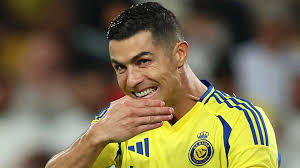
The role of Cristiano Ronaldo in Portugal’s 2026 World Cup plans continues to divide opinion, with some viewing the veteran striker as indispensable and others questioning whether his presence limits the team’s overall fluidity.
Now 41, Ronaldo is preparing for a record sixth World Cup appearance, maintaining his status as a global icon despite playing his club football with Saudi side Al Nassr. He remains the all-time leading men’s international scorer with 143 goals.
Under head coach Roberto Martínez, Ronaldo has scored 25 goals in 30 appearances, with the Spanish tactician insisting that his selection is based on performance rather than reputation.
Martínez, who faced criticism following Portugal’s Euro 2024 quarter-final exit, started Ronaldo in all five matches of that tournament, though the forward failed to score.
Portugal, however, boast a strong supporting cast, including record-breaking Premier League assist provider Bruno Fernandes and a Paris Saint-Germain contingent featuring Vitinha, João Neves and Nuno Mendes.
Since taking charge in 2023, Martínez opted to retain Ronaldo as captain and central figure rather than phase him out, a decision that has been partly justified by Portugal’s 2025 Nations League triumph, where Ronaldo scored in the final against Spain.
The striker is now just 17 goals away from reaching 1,000 career goals for club and country, while continuing to lead Portugal as captain and focal point in attack.
Supporters within the squad have repeatedly defended his influence. Vitinha described it as “fantastic” to share a dressing room with the veteran forward, praising his professionalism and legacy.
Fernandes has also acknowledged the ongoing debate over Portugal’s tactical balance with Ronaldo in the side, noting that while the team may appear more fluid without him, responsibility also lies with teammates to adapt.
Despite concerns about pressing intensity and overall cohesion when Ronaldo plays, Martínez has defended his inclusion, pointing to his experience and leadership as invaluable in tournament football.
Portugal will begin their World Cup campaign in Group K against DR Congo on June 17, followed by matches against Uzbekistan and Colombia.
Martínez maintains that age and club form will not define selection at the tournament, as Portugal aim to capitalise on what is widely regarded as one of the strongest squads in their history.