





By Ayomide Otitoju
The African Development Bank (AfDB) Board of Directors has approved a new Country Strategy Paper (CSP) for Namibia, committing $1.78 billion to support economic transformation and inclusive growth between 2025 and 2030.
The financing package is expected to accelerate job creation, drive economic diversification, and help address structural challenges in one of the world’s most unequal societies. Namibia’s youth unemployment rate exceeds 40 percent, while per capita income has dropped from $5,942 in 2012 to $4,240 in 2024.
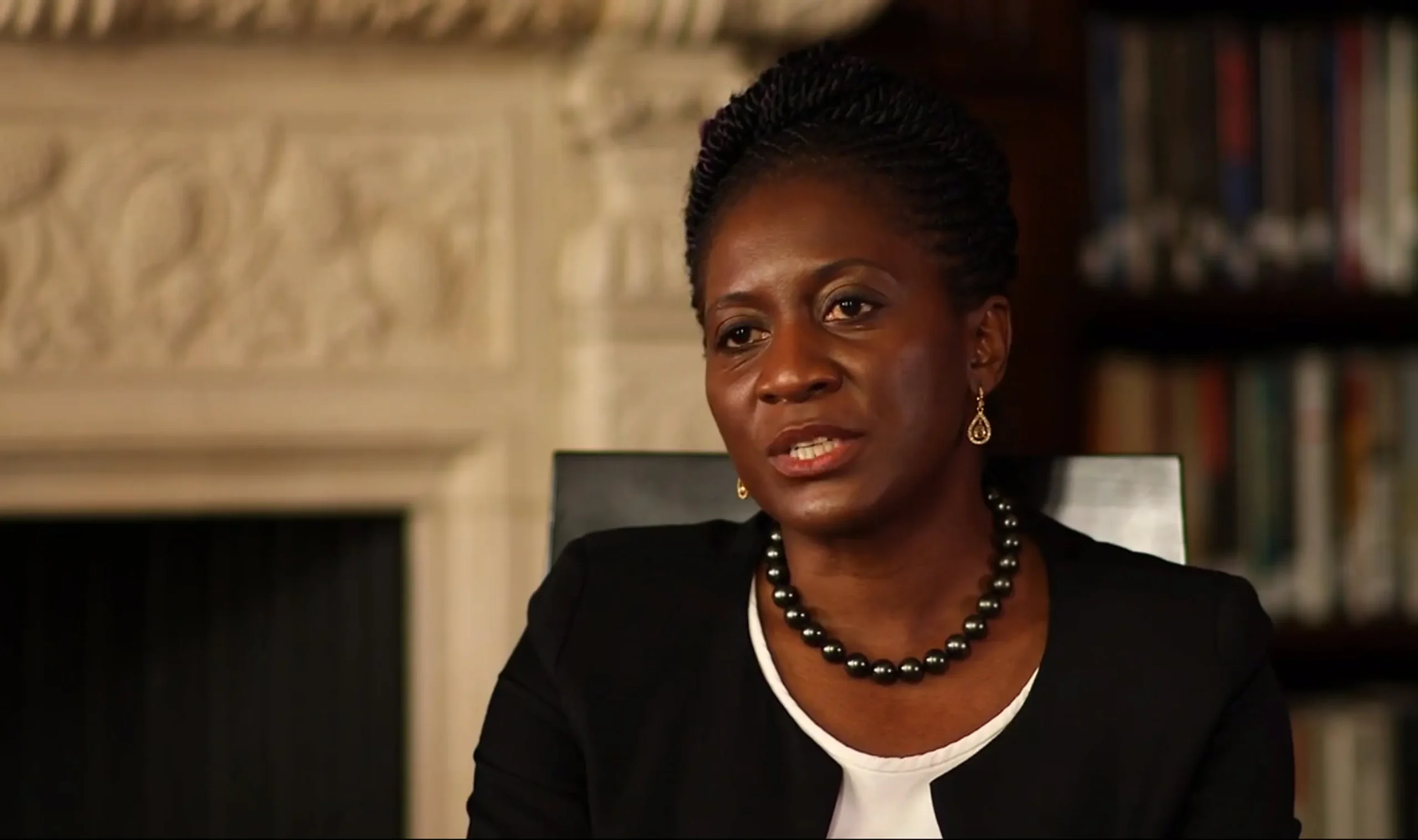
“This strategy marks a pivotal moment for Namibia’s development,” said Moono Mupotola, the Bank Group’s Deputy Director General for Southern Africa and Country Manager for Namibia. “By focusing on strategic infrastructure and human capital development, we are laying the foundation for inclusive growth that will benefit all Namibians, particularly the young.”
The CSP is anchored on two priority areas. The first centres on transport, energy and water infrastructure aimed at reducing business costs, improving productivity and positioning Namibia as a regional logistics hub. Planned investments will enhance trade facilitation under the African Continental Free Trade Area, expand renewable energy generation, and increase rural access to clean water and sanitation.
The second priority focuses on human capital development through market-driven technical and vocational training, support for micro, small and medium enterprises (MSMEs), and measures to advance women’s economic participation.
The strategy is expected to broaden Namibia’s economic base beyond mining and agriculture, strengthen MSME integration into regional value chains, and boost manufacturing capacity—creating thousands of direct and indirect jobs in the process.
Infrastructure upgrades under the plan will help raise electricity access from the current 59.5 percent towards universal coverage, improve trade connectivity with Angola and Zambia, and lower logistics costs. The CSP also reinforces Namibia’s climate commitments and supports its ambition to become a continental leader in green hydrogen.
Mupotola noted that recent U.S. tariff measures and reductions in official development assistance had added pressure to Namibia’s economy. “Our strategy strengthens resilience by diversifying export markets, enhancing regional integration, and building domestic productive capacities,” she said.
The new CSP builds on the AfDB’s decade-long engagement in Namibia, during which it has invested $658.1 million in projects such as the Walvis Bay Port expansion, railway modernisation, and upgrades across 27 educational institutions in all 14 regions.
The strategy aligns with Namibia’s Vision 2030, the African Union’s Agenda 2063, and the Bank Group’s Four Cardinal Points. Implementation begins immediately, with the first operations slated for early 2026.