




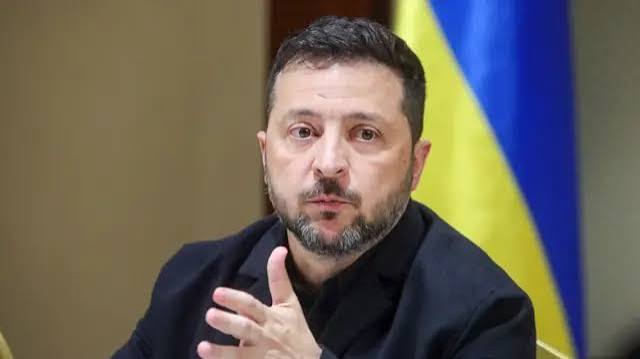
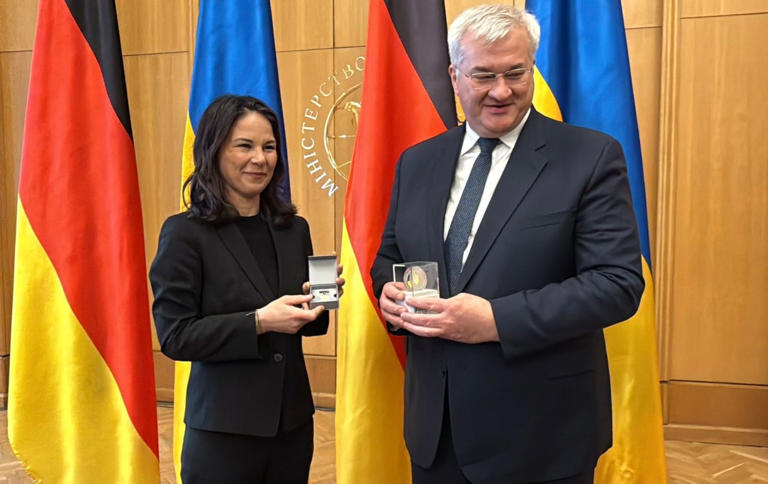
German Foreign Minister Annalena Baerbock on Tuesday accused Russian President Vladimir Putin of deliberately obstructing negotiations to end the war in Ukraine, asserting that Moscow is escalating its military aggression instead of pursuing peace.
“He is manoeuvring his way out of negotiations, continuing his illegal war of aggression, and escalating with brutal, targeted attacks on civilian homes,” Baerbock said during a press conference in Kyiv alongside her Ukrainian counterpart.
“Putin cannot be trusted in this situation,” she added. “A real and lasting peace will only be possible when he understands that he cannot win this war, that his destruction is failing.”
Her visit to Ukraine comes amid mounting concerns over Kyiv’s military struggles and the broader geopolitical implications of U.S. policy shifts following President Donald Trump’s re-election. Last month, Ukraine, facing increasing pressure on the front lines, reached an agreement with the United States on a proposed 30-day ceasefire plan with Russia. However, Moscow rejected the proposal, with Putin intensifying his rhetoric about replacing Ukraine’s leadership.
Baerbock’s visit also highlighted European concerns over the shifting dynamics of U.S.-Europe relations under Trump, who has sought direct engagement with Moscow, bypassing European allies. This policy shift has prompted NATO members to bolster their own defense capabilities and deepen support for Ukraine.
Meanwhile, Kyiv faces increasing pressure to finalize a natural resources agreement with Washington, which would grant U.S. companies access to Ukraine’s rare minerals in exchange for further military and financial assistance.
“It is important to emphasize that any such agreement must align with our European integration ambitions and cannot contradict our path toward full membership in the European Union,” Ukrainian Foreign Minister Andriy Sybiga stated.
Germany has reinforced its commitment to Ukraine’s defense, approving a fresh €3 billion ($3.25 billion) military aid package in March. This came as part of a broader German spending initiative that temporarily relaxed the country’s stringent debt restrictions to accommodate increased military expenditures.


