







By Ayomide Otitoju
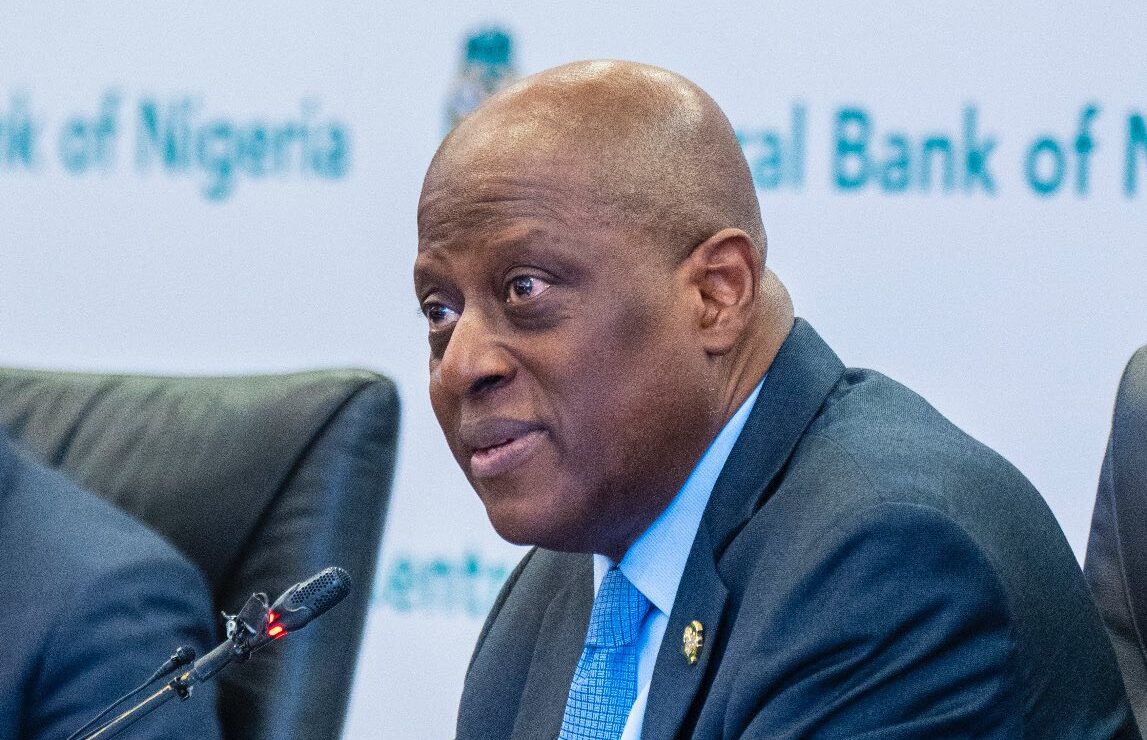
The Central Bank of Nigeria has reduced the Monetary Policy Rate (MPR) by 50 basis points to 26.50 percent from 27 percent, following its 304th Monetary Policy Committee (MPC) meeting in Abuja on Tuesday.
Governor Olayemi Cardoso said the decision was unanimous among all MPC members. He added that the liquidity ratio was maintained at 30 percent, and the standing facilities corridor was set at +50 to -450 basis points around the MPR. The Cash Reserve Ratio (CRR) was also retained at 45 percent for commercial banks, 16 percent for merchant banks, and 75 percent for non-TSA public sector deposits.
Cardoso explained that the rate cut was informed by continued disinflation, supported by the lagged effects of previous monetary tightening, sustained exchange rate stability, and improved food supply. Nigeria recorded its 11th consecutive month of year-on-year headline inflation decline in January 2026, driven by monetary policy measures, stable forex markets, robust capital inflows, and better petroleum and food supply conditions.
The MPC also highlighted Nigeria’s external sector performance, noting higher export earnings, increased remittance inflows, and improved investor confidence. The committee welcomed the recently issued Presidential Executive Order 09, which directs oil and gas revenues into the federation account to strengthen fiscal revenue.
The MPR serves as Nigeria’s benchmark interest rate, guiding inflation control, macroeconomic stability, and liquidity management. Last November, the MPC had retained the MPR at 27 percent, while the last rate reduction occurred in September 2025.
According to the National Bureau of Statistics, the country’s overall interest rate fell to 15.10 percent in January 2026, down from 15.15 percent.