





By Ayomide Otitoju
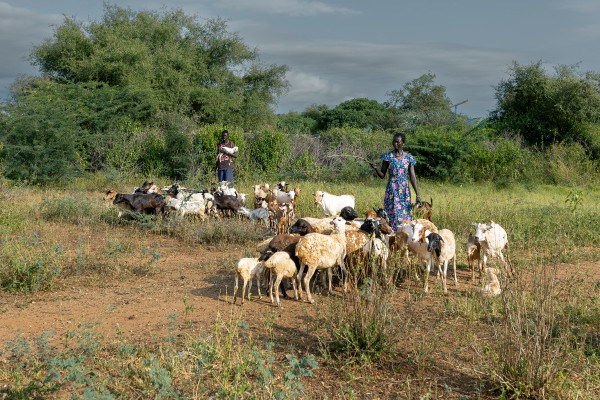
A new documentary is challenging long-held misconceptions about Africa’s pastoralists, portraying them not as marginalized relics of the past but as innovative leaders driving change across the continent’s drylands.
Titled Charting New Futures in Africa’s Drylands, the film showcases stories from pastoralist communities in Kenya, Nigeria, and South Sudan—spotlighting their resilience, adaptability, and central role in sustainable food systems. Despite providing an estimated 50% of Africa’s meat and 75% of its milk, pastoralists remain among the most misunderstood groups on the continent.
The documentary captures remarkable transformations on the ground. In Bor, South Sudan, Dinka pastoralists have turned flood-prone grazing lands into thriving fishing communities, with women leading the trade. “Now at the riverside, the number of women is higher than the men. Many of them don’t have husbands: they are the men and they are the women in their lives,” said fishmonger Awur Thon Jok.
In Nigeria, the Fulbe Development and Cultural Organization (FUDECO) is helping Fulani pastoralist families seek justice after farmer-herder conflicts, ensuring perpetrators are prosecuted and promoting peace over retaliation.
Meanwhile, technology-driven solutions are emerging through platforms like Livestock247, which partners with herders to microchip cattle for traceability and health certification—improving livestock value and consumer confidence.
According to Guy Jobbins, Executive Director of SPARC and co-producer of the film, these examples represent the norm rather than the exception. “Pastoralists are experts at navigating change. The real issue is that for decades, they have been marginalized or subjected to interventions that undermine their resilience,” he said.
The film also highlights lessons from failed development efforts, such as poorly planned boreholes in Oropoi, Turkana. Sammy Ekal, Executive Director of the Turkana Pastoralists Development Organization (TUPADO), emphasized the need for inclusive decision-making. “It’s very important to have pastoralists involved in decision making because it affects them on a daily basis,” he noted.
With the United Nations declaring 2026 as the International Year of Rangelands and Pastoralists (IYRP), the documentary’s release is timely. Advocates say the initiative offers an opportunity to reset policies and recognize pastoralists’ roles in land restoration, sustainable food systems, and climate resilience.
“IYRP 2026 is a rare opportunity to shine a light on these regions, break down myths about pastoralism, and champion the agency and knowledge of people living in Africa’s drylands,” Jobbins added.
Charting New Futures in Africa’s Drylands is accompanied by a podcast exploring the stories, challenges, and innovations shaping the future of pastoralism across the continent.


