






By Ayomide Otitoju
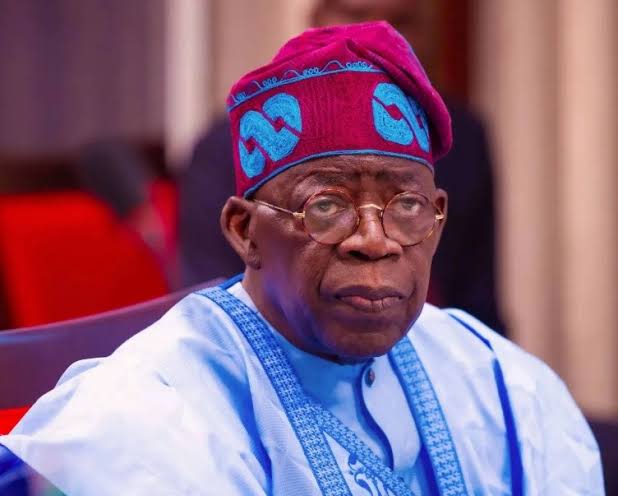
In response to President Bola Tinubu’s directive for the Nigerian National Petroleum Corporation Limited (NNPCL) to sell crude oil to local refineries in Naira, the Minister of Finance and Coordinating Minister of the Economy, Wale Edun, convened a high-level stakeholder meeting on Monday. The meeting was held at the Finance Ministry headquarters in Abuja.
Key participants included the Minister of State for Petroleum Resources (Oil), Senator Heineken Lokpobiri, NNPCL’s Group Chief Executive Officer, Mele Kyari, Executive Chairman of the Federal Inland Revenue Service, Dr. Zacch Adedeji, and the Permanent Secretary of the Ministry of Finance, Mrs. Lydia Jafiya. The discussion aimed to implement the president’s directive, which is seen as a strategic move to bolster the domestic economy and ensure the sustainable operation of local refineries, such as the Dangote Refinery.
A post on the ministry’s official X (formerly Twitter) account highlighted the significance of the initiative: “On Monday, the Honourable Minister of Finance and Coordinating Minister of the Economy, Wale Edun, led a key meeting aimed at implementing President Tinubu’s directive for the Nigerian National Petroleum Corporation Limited to sell crude oil to local refineries in Naira. This initiative is intended to strengthen the domestic economy and support the sustainable operations of local refineries, including the Dangote Refinery.”
During the meeting, Minister Edun expressed optimism about the collaborative efforts among all stakeholders, despite the longstanding challenges within the petroleum sector. He emphasized that these challenges would be addressed effectively to achieve the directive’s objectives.
The directive, initially issued by President Tinubu on July 29th, mandates that NNPCL sell crude oil to Dangote Refinery and other emerging refineries in Naira. The Federal Executive Council had approved that the 450,000 barrels designated for domestic consumption be offered in Naira, using the Dangote Refinery as a pilot project. This approach aims to stabilize the pump price of refined fuel and the dollar-naira exchange rate.
The Dangote Refinery, which currently requires 15 cargoes of crude oil worth $13.5 billion annually, has secured a commitment from NNPCL to supply four cargoes. The refinery has previously faced challenges in securing crude oil from International Oil Companies (IOCs) operating in Nigeria and has also had confrontations with the country’s midstream and downstream regulator.
Attempts to obtain further details about the meeting were unsuccessful, as the Finance Ministry’s Director of Press, Mohammed Manga, did not respond to calls.


