







By Ayomide Otitoju
A pioneering carbon capture and storage (CCS) project off the Danish coast is set to transform the North Sea from an oil-producing region into a carbon storage hub. The Greensand project, led by British chemicals giant Ineos, will begin injecting imported European CO₂ beneath the seabed in the coming months.
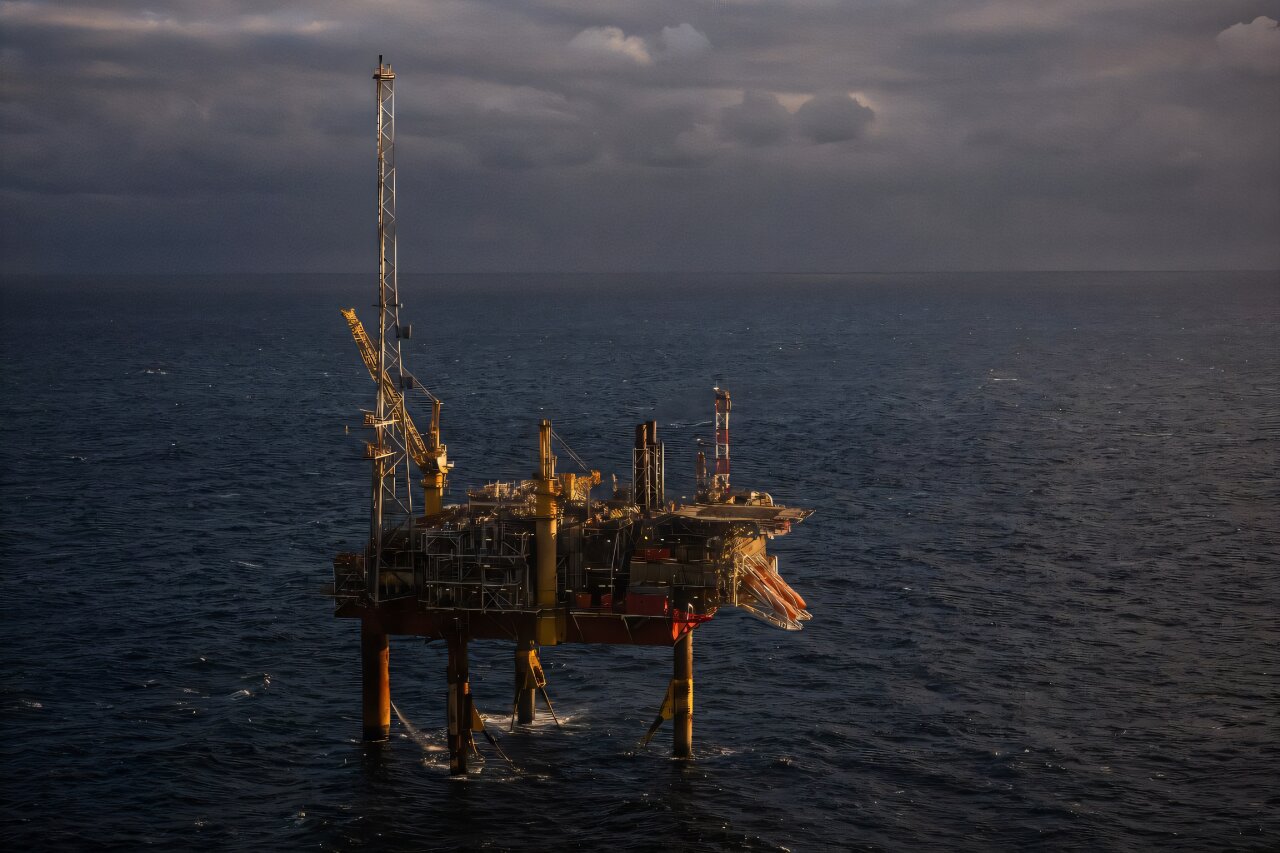
Located 170 kilometres off Denmark, the project repurposes a depleted oil reservoir under a small offshore platform. In its initial phase, Greensand aims to store 400,000 tonnes of CO₂ annually, with plans to scale up to eight million tonnes per year by 2030.
“This is a very good opportunity to reverse the process: instead of extracting oil, we can now inject CO₂ into the ground,” said Mads Gade, Ineos’s head of European operations. The liquefied CO₂, sourced primarily from biomass power plants, will be shipped via the Esbjerg terminal to the offshore Nini platform for storage.
Experts say the North Sea’s extensive history of oil and gas extraction makes it ideal for CO₂ storage. Ann Helen Hansen, CCS coordinator at the Norwegian Offshore Directorate, noted that decades of geological data from depleted fields provide confidence in the safety and stability of storage sites.
Estimates indicate enormous potential: Norway’s sector of the North Sea could store roughly 70 billion tonnes of CO₂, while Britain’s side may hold 78 billion tonnes. Denmark’s Bifrost project, led by TotalEnergies, suggests storage potential of 335 million tonnes. By comparison, the EU’s greenhouse gas emissions totaled 3.2 billion tonnes last year.
The Greensand initiative forms part of Europe’s broader CCS expansion under the Net-Zero Industry Act, which mandates at least 50 million tonnes of annual storage capacity by 2030. Norway has already begun operations with the Northern Lights project, a consortium of Equinor, Shell, and TotalEnergies, which carried out its first injection in August 2025. Plans are underway to increase its annual storage capacity from 1.5 to five million tonnes. Britain is also expanding its offshore storage permits, with first CO₂ injections expected in the coming years.
Despite technical progress, commercial uptake remains slow. Industrial operators face high costs for capturing, transporting, and storing CO₂ offshore—often exceeding the price of carbon allowances. The Northern Lights consortium, for instance, has secured only three commercial contracts so far. Hansen noted that while offshore storage may be costlier than onshore, public acceptance tends to be higher.
Critics caution that CCS is no substitute for reducing fossil fuel reliance. Truls Gulowsen, head of Friends of the Earth Norway, warned that while the narrative of turning the North Sea into a climate solution is appealing, “fossil fuels and climate emissions from the North Sea are far larger than anything we could ever put back there with CCS.”
As Greensand prepares for its first injections, it highlights both the potential and the challenges of using CCS to curb Europe’s industrial CO₂ footprint, particularly for sectors such as steel and cement that are difficult to decarbonise.