






By Ayomide Otitoju
A high-level conference in Kigali has issued a unified call for African countries to strengthen climate–health intelligence systems, warning that nations will remain vulnerable to climate hazards without reliable data showing how global warming is affecting public health.
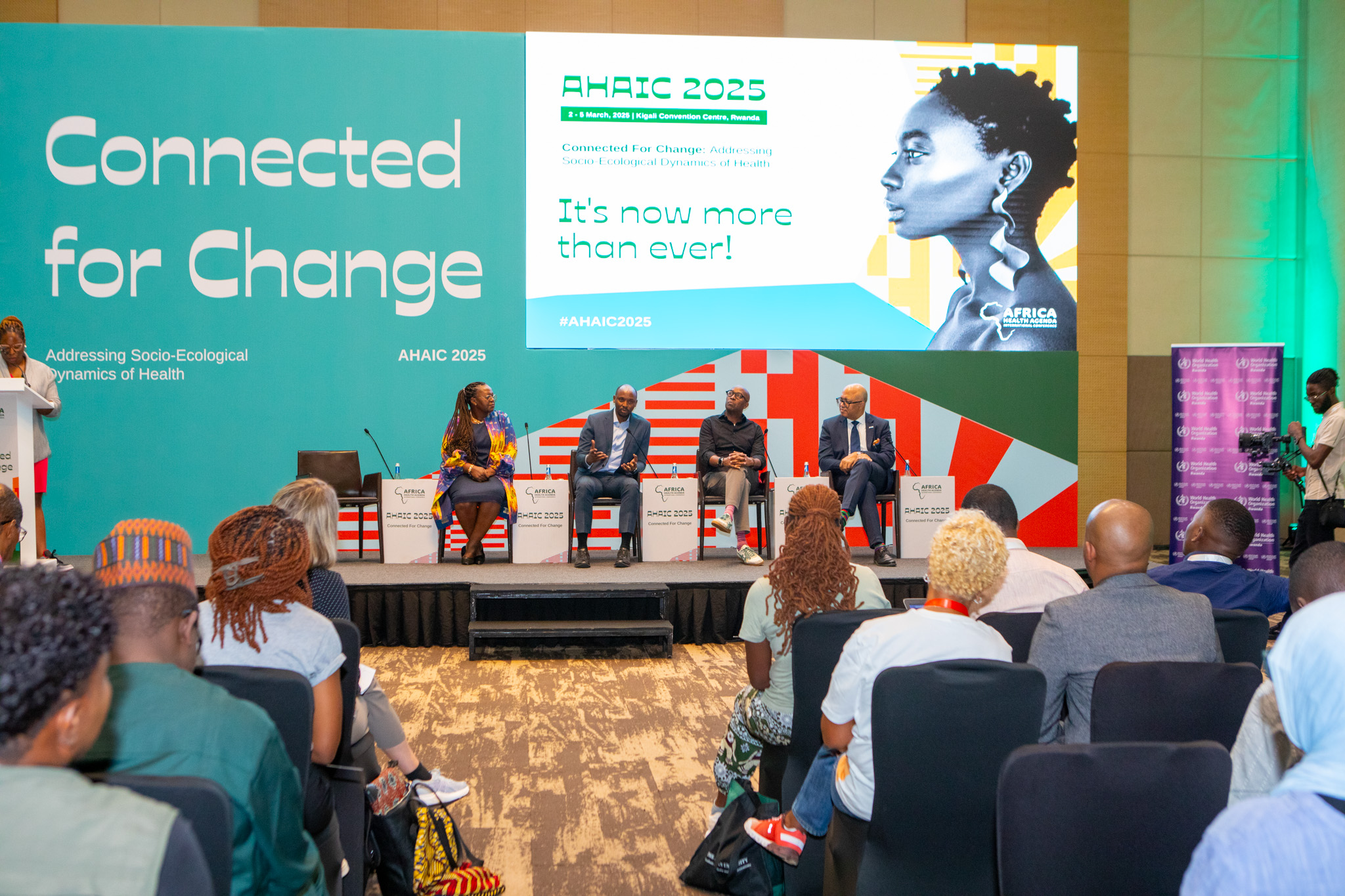
The appeal followed three days of technical sessions and policy dialogue at the Standards for Official Statistics on Climate–Health Interactions (SOSCHI) Conference, held from 3 to 5 December 2025. The event brought together government officials, scientific institutions, development partners and global organisations from 23 countries.
Delegates noted that although climate change is already driving severe health impacts across the continent, most African countries still gather climate and health data separately. They stressed that comparable, harmonised indicators are urgently needed to quantify risks, protect vulnerable communities, and inform preparedness, policymaking and resource allocation for climate adaptation.
In a joint communiqué adopted at the close of the conference, participants underscored that enhanced climate–health intelligence would strengthen national strategies and enable more targeted interventions, resilience building and early warning systems. The document highlighted the “urgent need for more robust information on the health impacts of climate hazards to strengthen national policies and to guide targeted interventions.”
Officials agreed that developing strong indicators of climate–health interactions is essential to shift from reactive measures to proactive, evidence-driven planning. They emphasised that data, while important, is not enough—decision-makers require harmonised metrics that can show where climate hazards are intensifying health risks, how disease patterns are evolving, and where adaptation efforts will have the greatest impact.
Delegates committed to integrating SOSCHI indicators into national statistical systems, particularly those related to extreme weather events, water-related illnesses, vector-borne diseases and mental health.
Sustainability emerged as a central theme throughout the conference. Participants stressed that climate–health monitoring must be supported by long-term domestic financing, skilled personnel and durable systems that can withstand political and funding shifts. Strengthening civil registration and vital statistics, improving the timeliness of health reporting, and enhancing environmental and meteorological monitoring were identified as key foundations for sustainable climate–health intelligence. Cross-sector data sharing and system interoperability were also deemed critical, given the multi-sectoral nature of climate–health metrics.
Technical presentations from Rwanda, Ghana and the United Kingdom demonstrated how SOSCHI indicators can reveal emerging vulnerabilities and changing disease burdens. Rwanda’s analysis showed spatial changes in malaria risk driven by shifting temperature and rainfall patterns, while Ghana’s data highlighted quantifiable trends in diarrhoeal disease, air pollution and heat-related mortality.
Participants concluded the conference with a shared commitment to scale and institutionalise the SOSCHI framework across the continent. The joint communiqué invited national statistical offices, health ministries, research bodies and funding organisations to collaborate in delivering validated climate–health metrics capable of guiding policy, bolstering resilience and protecting public health in a changing climate.
The Kigali gathering affirmed Africa’s dual role as both a frontline region for climate impacts and a leader in shaping global standards for climate–health action. Delegates said the commitments made represent a meaningful step toward building the intelligence systems needed for a safer, more resilient future.