

By Ayomide Otitoju
Lagos State’s healthcare system is facing mounting pressure from its growing population and the shortage of medical professionals, despite continued government investments in hospital infrastructure, equipment and workforce development.
The state’s expanding economy and growing opportunities continue to attract people from across Nigeria, other African countries and beyond, increasing demand for essential public services, including healthcare, education, transportation and housing.
The pressure on public infrastructure has remained a major challenge for successive administrations, with Lagos having to meet the needs of a large and constantly growing population within its available resources.
In recent times, concerns have been raised by some residents over service delivery at certain public health facilities. These concerns have renewed discussions about the capacity of the state’s healthcare system to meet the needs of its residents amid rising demand and the migration of Nigerian-trained medical professionals to other countries.
The challenge is compounded by Nigeria’s wider shortage of healthcare workers. According to figures cited by the Nigerian Association of Resident Doctors (NARD), the country has a doctor-to-patient ratio of approximately one doctor to more than 9,000 patients, although the precise ratio varies across locations and depends on the method of calculation.
The World Health Organisation (WHO) does not prescribe a universal doctor-to-patient ratio applicable to every country, as healthcare needs, workforce availability and health system structures differ.
The migration of Nigerian-trained doctors to countries such as the United Kingdom, the United States and Canada has also contributed to concerns about staffing levels and the ability of local health institutions to provide timely and quality services.
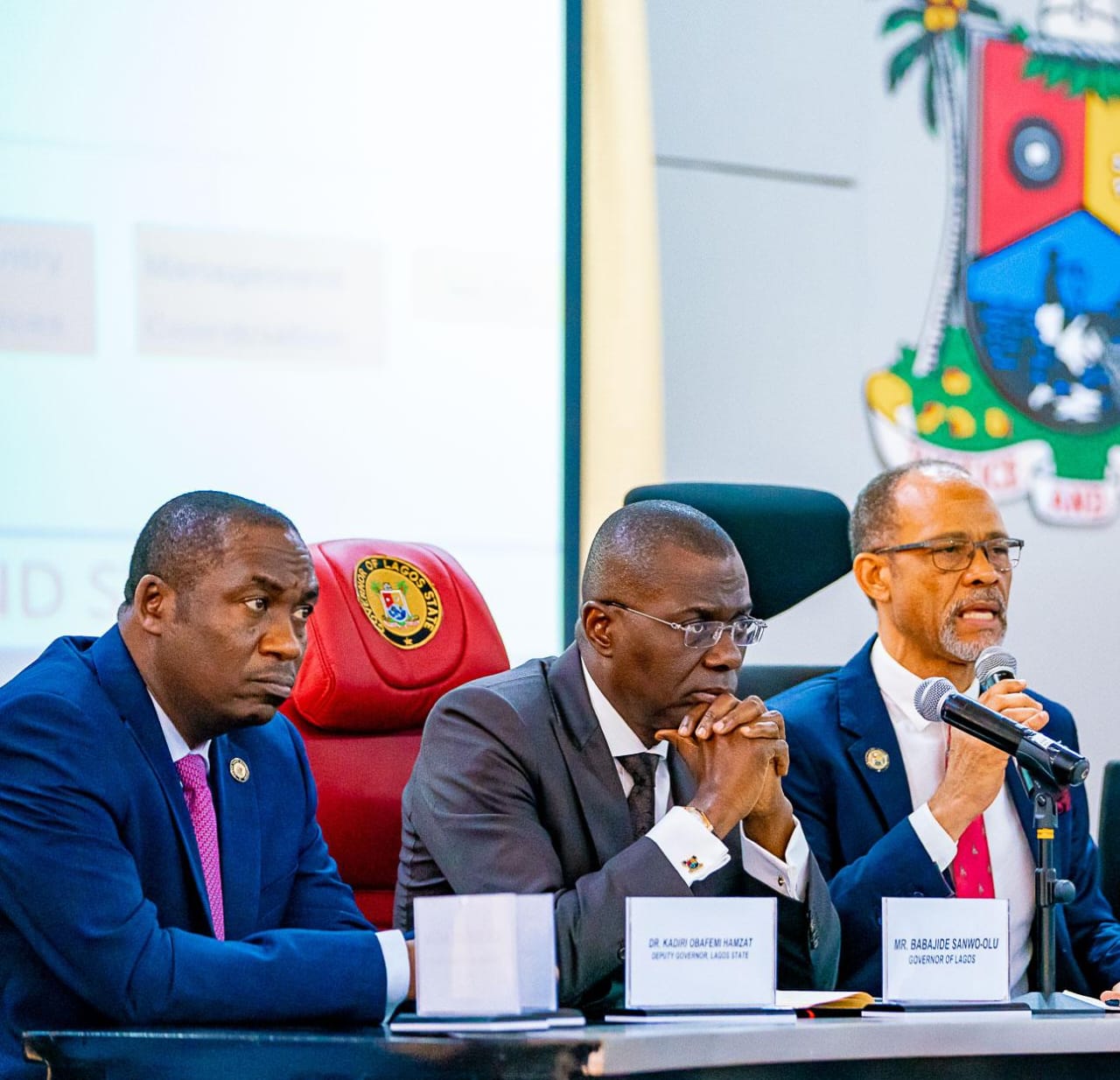
Against this backdrop, the Lagos State Government, under Governor Babajide Sanwo-Olu, has continued to invest in healthcare infrastructure, hospital expansion, modern equipment and professional training.
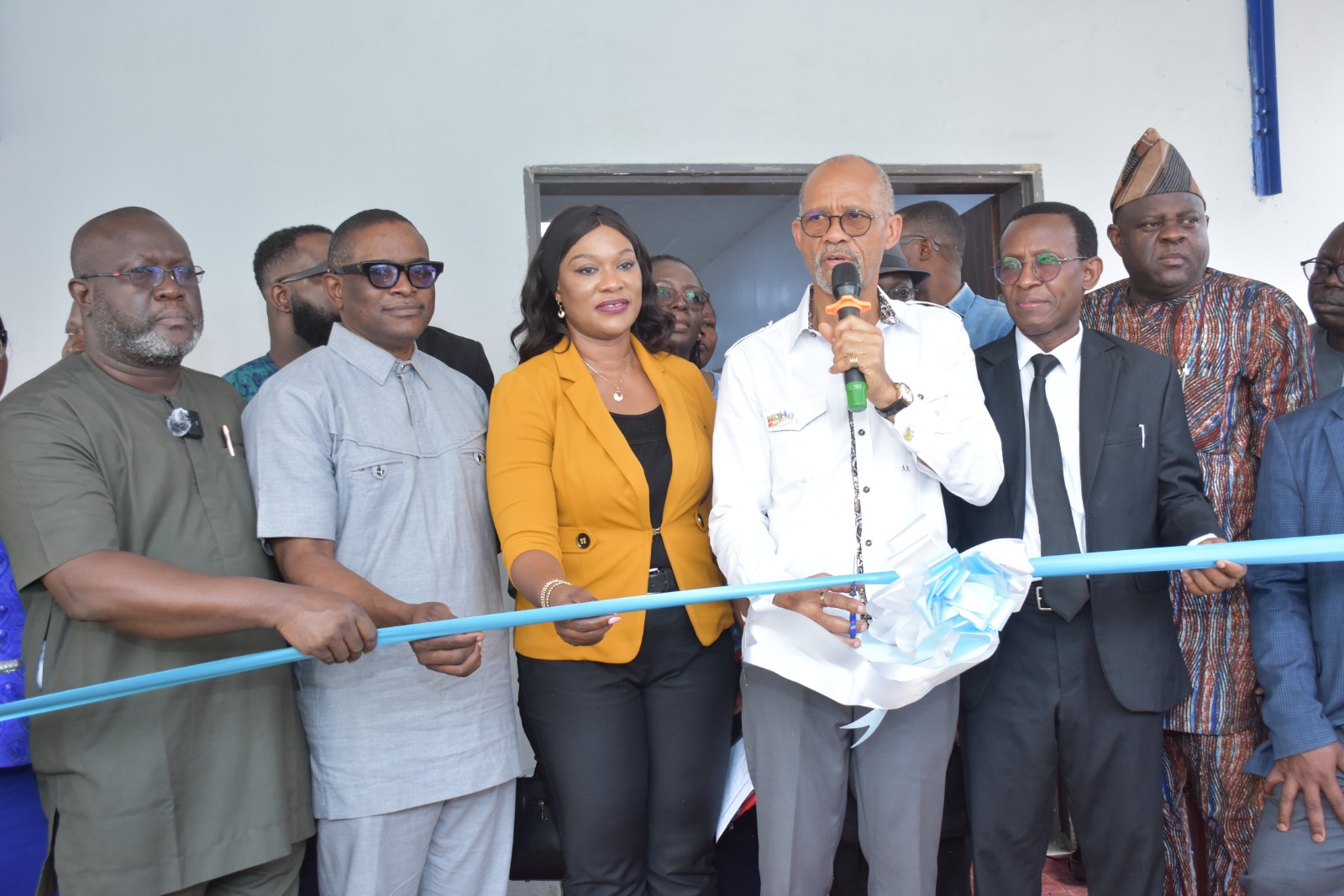
One of the major projects is the newly constructed Massey Street Children’s Hospital, developed on a 4,000-square-metre site to improve access to specialised paediatric care. The facility is expected to strengthen healthcare services for children across the state.
The government has also added the new Ojo General Hospital to its healthcare infrastructure, with the facility expected to improve access to medical services for residents of Ojo and neighbouring communities, including areas along the Badagry corridor.
Another major project is the construction of a psychiatric healthcare facility in Epe, aimed at expanding access to specialised mental health services.
At the tertiary level, the government has continued to develop and upgrade facilities at the Lagos State University Teaching Hospital (LASUTH), Ikeja, to strengthen its capacity to deliver specialised and advanced medical care.
Other healthcare investments have included the renovation and upgrading of general hospitals in Somolu, Odan-Lagos and Isolo, as well as improvements at the Ebute-Meta and Ketu-Ejinrin health centres.
The state has also established triage and oxygen centres and activated COVID-19 oxygen treatment and sample collection facilities as part of efforts to strengthen emergency preparedness and healthcare delivery.
In addition, the Lagos State Health Insurance Scheme has expanded coverage to residents, while investments in training and professional development have sought to improve the capacity of healthcare workers.
These initiatives reflect efforts to strengthen the healthcare system beyond the construction of new hospitals, with attention also directed towards equipment, specialised services, health insurance and workforce development.
Under the supervision of the Commissioner for Health, Professor Akinola Abayomi, the state government has continued to pursue measures aimed at improving healthcare infrastructure and service delivery.
However, infrastructure investments alone may not fully address the challenges facing the sector. Staffing shortages, growing patient numbers, waiting times, equipment maintenance and the availability of essential medical supplies remain important areas requiring sustained attention.
While the scale of demand presents significant challenges, residents’ concerns about service delivery should also be acknowledged and assessed on their merits. Reports of shortcomings at individual facilities should prompt appropriate investigation, transparent communication and corrective action where necessary.
Stakeholders have a role to play in identifying service gaps and presenting evidence-based recommendations to the government. Equally, the government must remain responsive to legitimate public concerns and provide clear information about its healthcare investments, staffing levels, performance and plans for improvement.
Constructive criticism, supported by facts, can help identify weaknesses and strengthen public services. It should neither dismiss genuine concerns nor overlook measurable progress where evidence supports it.
Good governance requires cooperation between public institutions and the communities they serve. As Indian Prime Minister Narendra Modi has stated, “People’s participation is the essence of good governance.”
For Lagos, addressing the pressure on its healthcare system will require sustained investment, effective management, improved workforce retention and constructive engagement between the government and residents.