



By Ayomide Otitoju
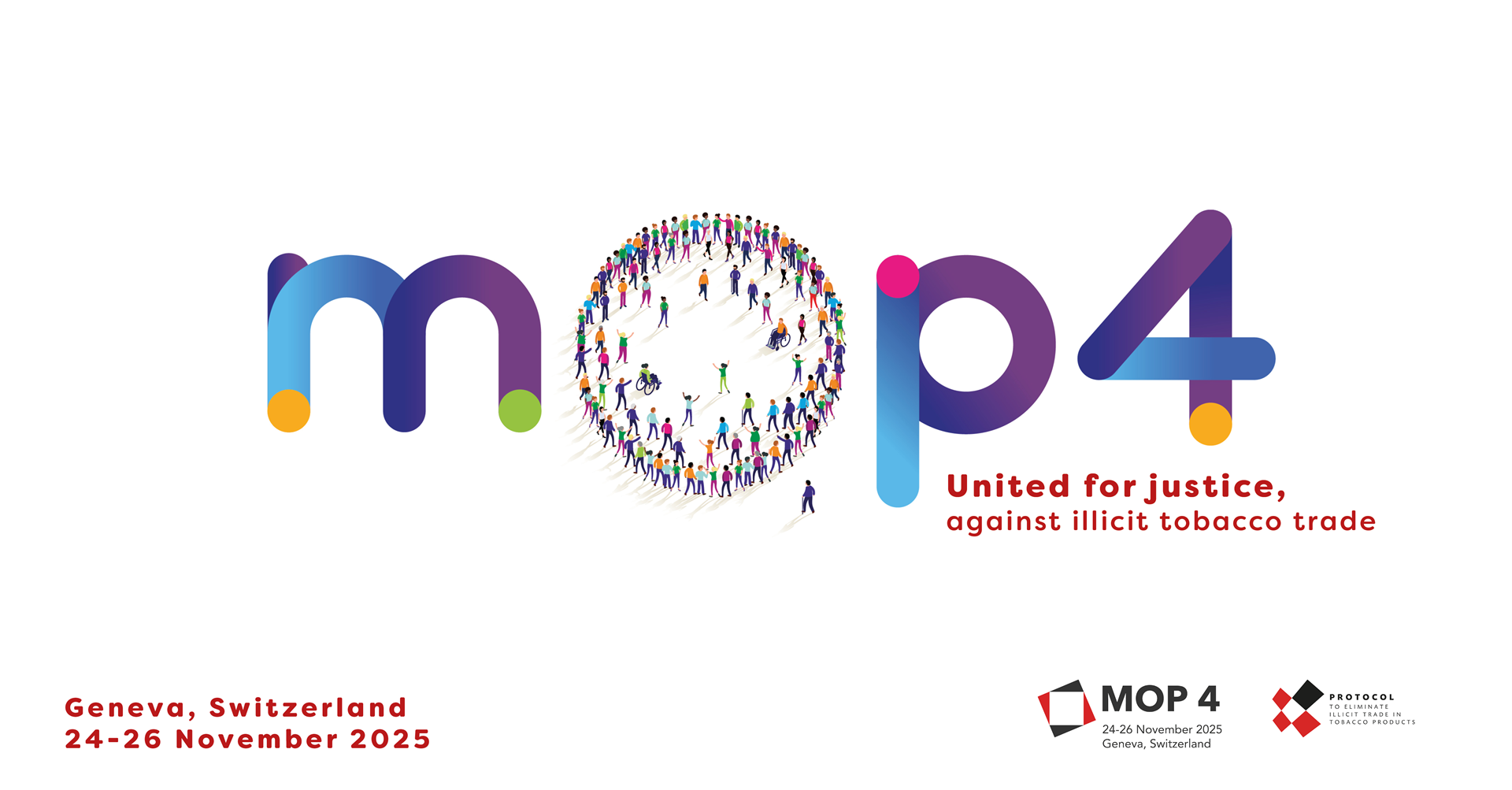
The Fourth Session of the Meeting of the Parties (MOP4) to the Protocol to Eliminate Illicit Trade in Tobacco Products has concluded in Geneva with a series of decisions aimed at reinforcing international cooperation and tightening global controls on illegal tobacco activities.
The Protocol, developed to confront the persistent challenge of illicit tobacco trade, addresses a market estimated to represent about 11% of global tobacco consumption. According to independent assessments, eliminating the illegal trade could generate an additional US$47.4 billion in tax revenue annually for governments around the world.
Delegates from 60 Parties met from 24–26 November to advance implementation strategies. Discussions focused on enhancing cross-border cooperation, improving mechanisms for financial and technical support, strengthening licensing systems, and tightening supply-chain controls for tobacco products and manufacturing equipment.
Andrew Black, Acting Head of the Secretariat of the WHO Framework Convention on Tobacco Control, underscored the urgency of global action. “The Protocol is more than a treaty – it is a framework for coordinated action that equips Parties with tools to slam the door on illicit trade,” he said. He added that illegal tobacco activities deprive governments of critical resources, undermine public health, and fuel corruption and organized crime. “We cannot allow those who profit from illicit trade in tobacco to escape justice.”
Parties adopted several key decisions, including:
Data-Mapping Initiative: The Convention Secretariat, working with the World Customs Organization and the UN Office on Drugs and Crime, will map existing data on seizures of tobacco products and manufacturing equipment to guide future policy decisions.
New Working Groups:
- A working group will focus on evidence-based research and the exchange of best practices, case studies, technologies and capacity-building measures.
- A second group will identify effective mechanisms to strengthen assistance and cooperation in the investigation and prosecution of offences.
Strengthening Licensing Systems: Parties were encouraged to intensify efforts to monitor and collect licence fees, which may be used to support enforcement, administrative functions, and public health activities. Enhanced collaboration through international and regional bodies was also urged to improve training and technical assistance related to licensing.
The session concluded with the announcement that Vanuatu has joined the Protocol as its 71st Party, further expanding the global coalition committed to ending illicit trade in tobacco products.