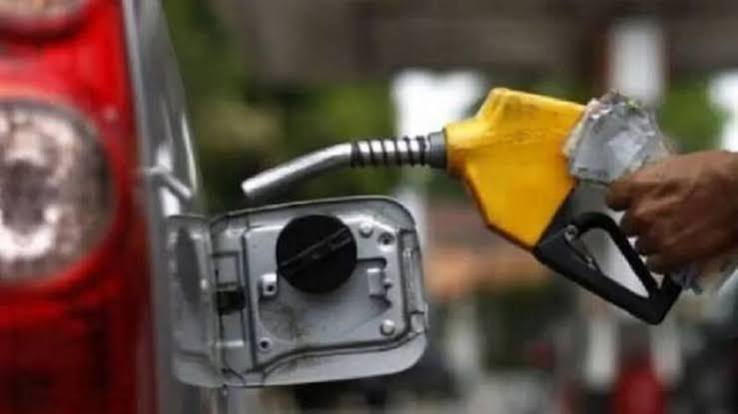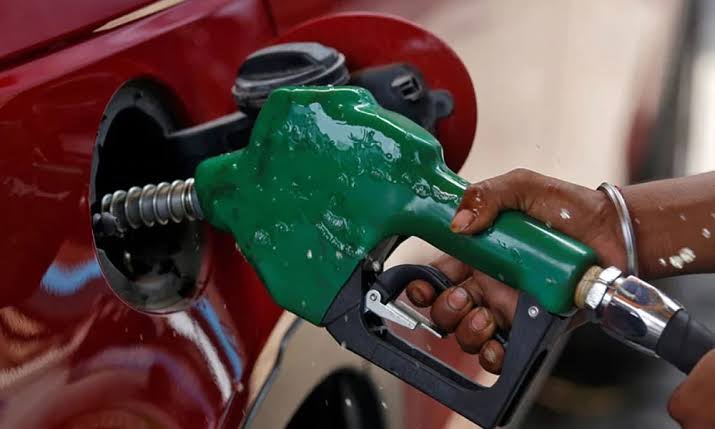



The Nigerian National Petroleum Company Limited (NNPC) has requested a refund of N4.71 trillion from the Federal Government to cover outstanding debts incurred from importing Premium Motor Spirit (PMS), commonly known as petrol, between August 2023 and June 2024.
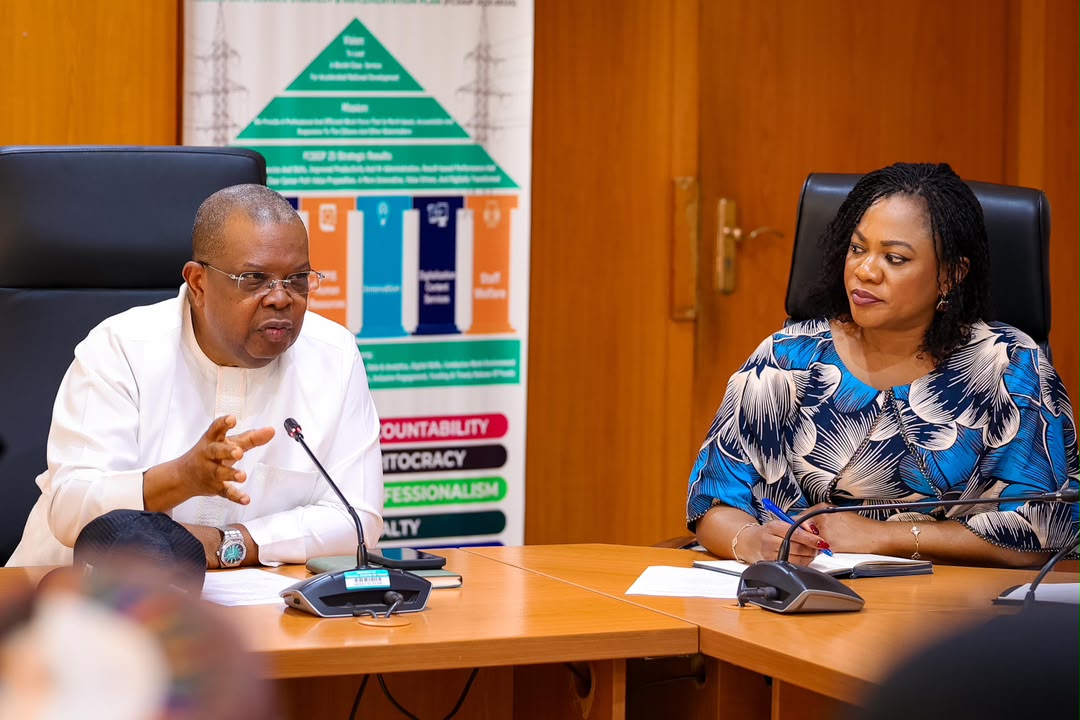
The claim, detailed as “Exchange rate differential on PMS and other joint venture taxes,” was revealed by Finance Minister and Coordinating Minister of the Economy, Wale Edun, during the June meeting of the Federation Accounts Allocation Committee (FAAC). The minutes from the meeting were obtained by our correspondent on Thursday.
Exchange rate differentials represent the financial discrepancy arising from fluctuations in currency values over time. For instance, if the exchange rate of the US dollar to the euro changes from 0.9 to 0.8, the differential is the variation between these rates.
This development implies that the government will need to support fuel imports by covering the difference between the projected and actual expenses incurred by NNPC for petrol. This cost discrepancy, which would typically impact retail prices borne by consumers, contradicts recent claims of subsidy removal by the government.
The revelation comes amid ongoing challenges for NNPC in ensuring adequate PMS supply for nationwide distribution.
During the meeting, Edun explained that NNPC had received presidential approval to use the “Weighted Average Rate” for pricing from October 2023 to March 2024. The company had also sought an extension for this period but was advised to request approval from the National Economic Council.
The minutes highlighted that NNPC had an outstanding claim of approximately N2.69 trillion as of May 2024, due to using the “Weighted Average Rate” for importation. This figure has since increased to N4.71 trillion by June 2024.
In response to the currency devaluation, which led to a higher exchange rate of N1,200 to $1 compared to the previously set N650, NNPC’s costs surged. The increase in claimed amounts, detailed month by month, showed a rise from N1.18 trillion in August 2023 to N4.71 trillion by June 2024.
The government had initially granted NNPC permission to import fuel at an exchange rate of N650 to $1, but fluctuations have led to a discrepancy. This disparity was further exacerbated by the devaluation of the naira.
The Chairman of the Revenue Mobilisation Allocation and Fiscal Commission, Mohammed Bello, explained that after the subsidy removal on May 29, 2023, NNPC adjusted its pricing using a benchmark exchange rate. The company also obtained approval to freeze the Proforma Invoice Ex-coastal transfer price until March 2024.
The FAAC meeting also saw discussions about the challenges faced by revenue-generating agencies in meeting their targets, with some officials calling for adjustments to revenue projections and improved efforts in revenue generation.
Energy expert Professor Wumi Iledare criticized the rationale behind the NNPC’s claim, questioning why the government should refund the company when it sells oil on behalf of the government. Iledare argued that the government should receive royalties and taxes in foreign currency, while the NNPC’s role should be limited to payment of these dues.
Despite these critiques, the claim for N4.71 trillion remains a significant issue, with implications for both the government and the broader economy.