





The management of the National Youth Service Corps (NYSC) has refuted claims circulating in the media regarding the payment of a ₦70,000 minimum wage to corps members.
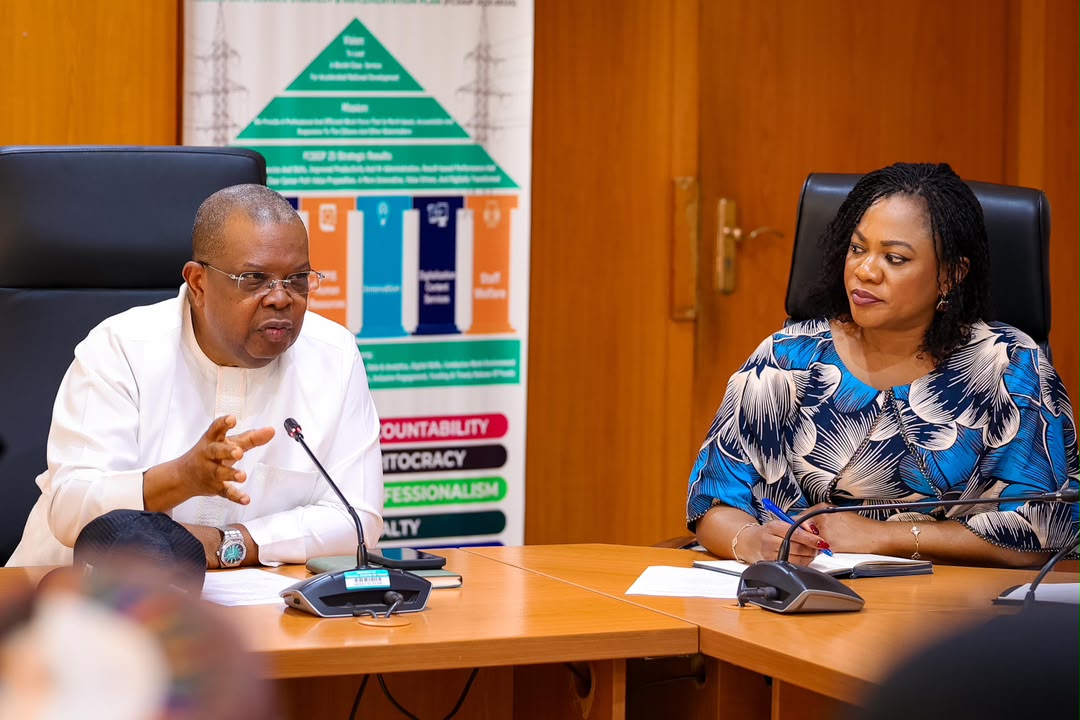
In an official statement signed by Eddy Megwa, the Director of Information and Public Relations, the NYSC clarified that no directive has been received from the relevant government authorities to increase the allowance of corps members. The management urged corps members, their parents, and the general public to disregard the misleading information.
The statement also emphasized that corps members are aware of the official channels of communication within the scheme and should therefore ignore any false reports. The NYSC further advised corps members to be wary of those attempting to mislead Nigerians by spreading such misinformation.
In 2020, the NYSC raised the monthly allowances of corps members from ₦19,800 to ₦33,000 following the implementation of a new minimum wage of ₦30,000.
Recently, in late July, President Bola Tinubu signed the Minimum Wage Bill into law, raising the national minimum wage from ₦30,000 to ₦70,000. The signing followed months of negotiations between the government, labor unions, and the private sector.
“The signing of the minimum wage bill into law by His Excellency, President Bola Ahmed Tinubu is both a promise kept and a demonstration of his people-centric governance model,” the statement read. “Tinubu promised to pay a living wage to Nigerian workers during his electioneering campaigns, and he has kept that promise.”
President Tinubu’s move came after extensive talks with labor unions, who initially proposed a minimum wage of ₦494,000, while the government offered ₦60,000. After a series of negotiations, the unions revised their demand to ₦250,000, and the government adjusted its offer to ₦62,000. Eventually, both parties agreed on a ₦70,000 minimum wage on July 18.
The new minimum wage will be subject to review every three years. Following the agreement, President Tinubu swiftly forwarded the bill to the National Assembly, which passed it in a single day.
The enactment of this new law comes at a time when the cost of living in Nigeria is rapidly increasing. According to the National Bureau of Statistics (NBS), the country’s inflation rate reached 34 percent in June 2024


