



By Ayomide Otitoju
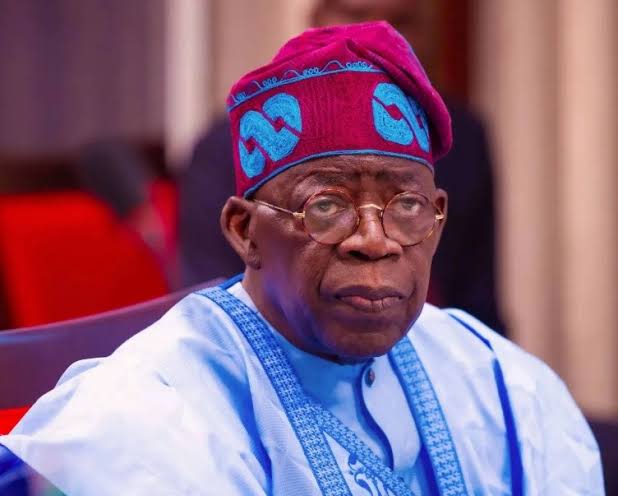
President Bola Tinubu on Friday addressed the nation as part of activities marking the 2026 Democracy Day celebration, outlining his administration’s achievements, ongoing reforms, security efforts, and plans to tackle the country’s challenges while urging Nigerians to remain committed to democratic values.
In his nationwide broadcast, the President praised the resilience of Nigerians and paid tribute to the heroes and heroines of democracy, announcing national honours for individuals who made significant sacrifices in the struggle for democratic governance.
Tinubu noted that Nigeria has enjoyed 27 uninterrupted years of democratic rule since May 29, 1999, describing it as the longest period of civilian governance in the nation’s history.
“Today, we celebrate democracy and the enduring Nigerian spirit. Our democracy is not perfect, but it is ours, and we must continue to defend and strengthen it,” he said.
Ahead of upcoming governorship elections in Ekiti and Osun states, the President urged the Independent National Electoral Commission (INEC), security agencies, and political parties to ensure peaceful and credible polls, stressing that public confidence in the electoral process remains essential for democratic stability.
He also called on the National Assembly, judiciary, media, and civil society organisations to continue playing their roles in safeguarding democracy.
Addressing Nigerian youths, Tinubu encouraged them to contribute to national development rather than seeking opportunities abroad.
“To our young people: Nigeria is your home and your future. Build here, code here, work here, and vote here,” he said.
The President commended members of the armed forces, police, intelligence agencies, traditional rulers, religious leaders, and community heads for their contributions to peace, security, and national unity.
Tinubu expressed concern over the recent abduction of schoolchildren in Oyo and Borno states, describing the incidents as a reminder that democracy cannot thrive without security. He disclosed that his administration had declared a security emergency, approved the recruitment of more than 50,000 police officers and thousands of military personnel, and allocated N5.41 trillion to defence and security in the 2026 budget.
Highlighting progress in the fight against insurgency and terrorism, the President said Nigerian security forces had intensified precision operations against criminal groups and terrorist organisations.
According to him, terror-related deaths have declined significantly since 2015, while more than 13,000 terrorists were neutralised within the past year. He added that over 124,000 insurgents and their dependents had surrendered under the Operation Safe Corridor programme since 2023.
He warned bandits, kidnappers, and sponsors of terrorism to surrender or face the full weight of the law, insisting that the government would not tolerate activities that threaten national security.
Reflecting on the significance of June 12, Tinubu described the date as a defining moment in Nigeria’s democratic journey. He paid tribute to the late Chief M.K.O. Abiola, winner of the annulled June 12, 1993 presidential election, as well as Alhaja Kudirat Abiola and other prominent pro-democracy figures whose sacrifices contributed to the restoration of democratic rule.
Among those honoured were Chief Gani Fawehinmi, Chief Bola Ige, Chief Alfred Rewane, Pa Abraham Adesanya, Chief Anthony Enahoro, Alhaji Balarabe Musa, Commodore Dan Suleiman, Dr Beko Ransome-Kuti, Frank Kokori, Arthur Nwankwo, Chima Ubani, and General Shehu Musa Yar’Adua.
The President said the greatest tribute Nigerians could pay to democracy’s heroes was to strengthen democratic institutions, uphold justice, expand opportunities, and ensure accountable governance.
On the economy, Tinubu said his administration’s reforms were necessary to address fiscal challenges inherited in 2023 and restore confidence in economic management.
He stated that government revenues had increased, fiscal transparency had improved, and investments across agriculture, energy, manufacturing, technology, mining, transportation, and the creative sector had grown.
The President also pointed to improvements in domestic refining capacity, saying they had enhanced energy security and reduced dependence on imported petroleum products.
In the power sector, Tinubu said his administration had implemented reforms to address longstanding challenges, including poor generation, transmission bottlenecks, metering deficits, and legacy debts.
He highlighted the implementation of the Electricity Act, which empowers states to generate, transmit, and distribute electricity, as well as efforts by the Presidential Power Sector Task Force to reduce the metering gap and resolve sector debts through a proposed N4 trillion bond.
The President further noted that off-grid and mini-grid electricity projects supported by the Rural Electrification Agency, the World Bank, and the African Development Bank were expanding access to power in underserved communities, universities, markets, and healthcare facilities.
Tinubu said infrastructure projects nationwide were creating jobs and improving market access, while the National Agricultural Development Fund was deploying 10,000 tractors over five years to boost agricultural productivity. He added that more than 1,000 small and medium-sized enterprises had been certified for export, with non-oil exports recording a 21 per cent increase in the past year.
Despite the reported gains, the President acknowledged that many Nigerians continue to face economic hardship. He assured citizens that his administration remained focused on reducing inflation, increasing food production, creating jobs, and improving living standards.
“We are moving from uncertainty to stability. The next phase is about accelerating growth and ensuring the benefits are felt in every home, every community, and every region,” he said.
Tinubu also reaffirmed his administration’s commitment to strengthening local government autonomy, describing effective grassroots governance as critical to national development and security.
As part of Democracy Day announcements, the President approved the renaming of the Institute of Petroleum Studies in Kaduna as the General Shehu Musa Yar’Adua University of Geological Sciences and Engineering Technology in honour of the late military officer and pro-democracy advocate.
Concluding his address, Tinubu urged Nigerians to reject division and despair and embrace unity, hope, and collective responsibility in building a prosperous nation.
“June 12 reminds us that Nigerians do not break. We bend, we bleed, but we do not break,” he said, calling on citizens to renew their commitment to democracy and national development.


