


By Ayomide Otitoju
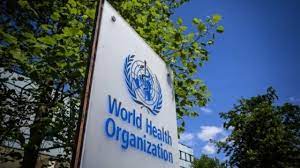
The World Health Organization (WHO) acknowledged on Tuesday that the U.S. freeze on foreign aid funding has disrupted vital global health programs but pledged to continue delivering assistance to those in need.
While the full impact of the freeze remains unclear, WHO spokeswoman Margaret Harris confirmed that some programs have already been affected. Among them is the global measles surveillance network, which had been entirely funded by the United States.
“There is a big shortfall,” Harris told reporters in Geneva. “We’re not going to let it collapse,” she added, though she admitted that maintaining the program under current conditions remains a challenge.
Ebola Response and Emergency Measures
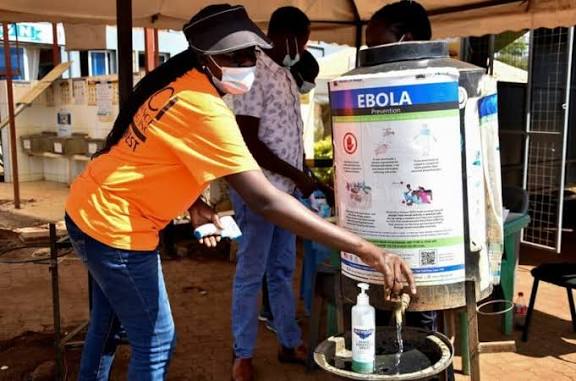
Janet Diaz, head of WHO’s Safe Scalable Care unit, highlighted that the ongoing Ebola outbreak response in Uganda has also suffered due to the U.S. aid freeze.
“WHO has had to step up and cover areas it usually doesn’t support,” Diaz said, citing critical functions such as biological sample transport, logistics, and the deployment of surveillance teams at entry points.
To mitigate the immediate impact, the agency has allocated $3.4 million from its emergency contingency fund to bolster government-led response efforts. However, Diaz noted that infection prevention and sanitation measures in crisis zones have been affected, forcing WHO to explore alternative strategies.
“We are now looking at how to deliver with less,” she said, emphasizing the need to optimize partnerships and seek additional donors.
Commitment to Continued Support
Despite the funding challenges, WHO remains committed to sustaining its global health initiatives.
“We won’t let the people of the planet down,” Harris vowed. “We’re not going to just sit there and weep. We’re not going to just give up.”
The funding freeze follows an executive order signed by U.S. President Donald Trump on January 20, which halted all foreign aid spending for 90 days pending a review. Since then, Trump has implemented sweeping cuts, which rights groups argue have already harmed millions worldwide.
Tech billionaire Elon Musk, appointed as a leading cost-reduction advisor in the Trump administration, defended the policy. Writing on X, which he owns, Musk insisted, “No one has died as a result of a brief pause to do a sanity check on foreign aid funding. No one.”
When asked about Musk’s assertion, Harris said it was “far too early to make those kinds of assessments.”
“You wouldn’t be able to quantify anything like that for quite some time,” she said. “You wouldn’t be able to say ‘yes,’ you wouldn’t be able to say ‘no,’ because you’d have to do a proper evaluation.”
As global health organizations grapple with funding shortfalls, WHO continues to seek solutions to ensure the continuation of critical health programs worldwide.