






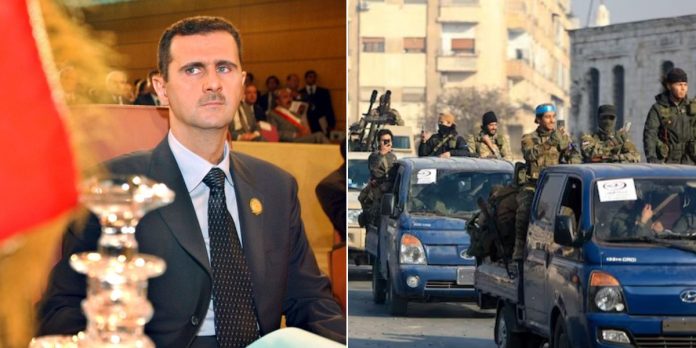
World powers have pledged to work towards stability in Syria and its neighboring regions following the overthrow of longtime ruler Bashar al-Assad by Islamist-led rebels on Sunday. Below are key international reactions to the dramatic development:
Russia: High Alert
Assad’s staunch ally, Russia, announced that its troops in Syria remain on high alert, though rebels have assured the security of Russian bases in the country. Before reports of Assad fleeing to Moscow, Russian Foreign Minister Sergei Lavrov emphasized on Saturday that Syria must not fall into the hands of a “terrorist group.”
United States: Accountability Demanded
U.S. President Joe Biden called for a transition to an independent and sovereign Syria, stating that “Assad should be held accountable.” He reaffirmed U.S. engagement with Syrian groups to establish a post-Assad political order.
China: Stability Urged
China’s Foreign Ministry expressed hope for a swift return to stability in Syria, pledging to closely monitor the evolving situation.
Iran: Friendly Relations
Iran, a close ally of Assad, maintained a cautiously conciliatory tone, promising “friendly” relations with Syria while signaling its willingness to adjust its approach based on the behavior of key actors in Damascus.
Turkey: Rebuilding Commitment
Turkish Foreign Minister Hakan Fidan promised support for rebuilding Syria, emphasizing efforts to “heal Syria’s wounds” and guarantee the country’s unity and security.
United Nations: Cautious Optimism
The UN’s special envoy for Syria, Geir Pedersen, hailed the rebel victory as a “watershed moment” and expressed cautious hope for a new chapter of peace, reconciliation, and inclusion in the war-torn nation.
France: End of Barbarism
French President Emmanuel Macron lauded the fall of Assad’s “barbaric state,” paying tribute to the resilience and courage of the Syrian people.
Germany: Support for Peace
German Chancellor Olaf Scholz condemned Assad’s brutal reign and offered Germany’s support in achieving a political solution to restore peace and stability in Syria.
United Arab Emirates: Avoiding Chaos
UAE presidential adviser Anwar Gargash urged Syrians to collaborate to avoid chaos, expressing hopes for unity and stability in the country’s future.
United Kingdom: A Real Opportunity
British Prime Minister Keir Starmer described Assad’s removal as a “real opportunity” for a peaceful and stable Syria and vowed to engage regional allies to protect civilians and minorities.
European Union: Rebuilding Syria
European Commission President Ursula von der Leyen pledged EU support for rebuilding Syria as a state that safeguards all minorities, while EU diplomat Kaja Kallas described Assad’s fall as a long-awaited development that underscores the weakness of his backers, Russia and Iran.
Israel: A Blow to Iran
Israeli Prime Minister Benjamin Netanyahu celebrated Assad’s downfall as a significant setback for Iran, labeling it a collapse of a “central link in Iran’s axis of evil.”
Ukraine: Lessons for Authoritarians
Ukraine’s Foreign Minister Andriy Sybiga welcomed Assad’s overthrow, asserting that authoritarian regimes propped up by Russian President Vladimir Putin are destined to fail.
Taliban: Islamic Governance
Afghanistan’s Taliban government congratulated the Syrian people and rebels, expressing hopes for a transition to an “independent and service-oriented Islamic government.”
Iraq: Sovereignty Emphasized
Iraq called for respect for the will of Syrians and stressed the importance of Syria’s security, territorial integrity, and independence.
Japan: Hope for Prosperity
Japan expressed a strong desire for the cessation of violence in Syria, urging respect for basic human rights and the pursuit of freedom and prosperity for all Syrians.
Red Cross: Urgent Needs
The International Federation of Red Cross and Red Crescent Societies (IFRC) highlighted the immense humanitarian needs of Syrians following more than a decade of conflict and suffering.
The fall of Assad marks a pivotal moment for Syria and the broader region, with international actors now grappling with the challenges of rebuilding and ensuring lasting peace.


