



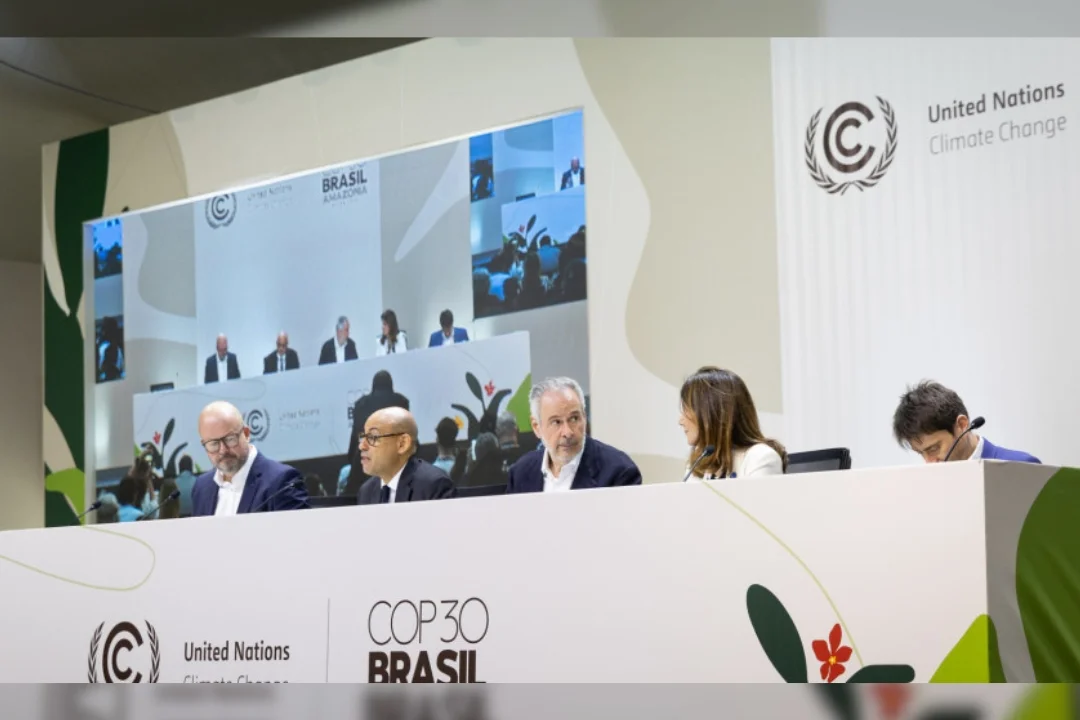
Brazil, host of COP30, pushed Tuesday for an early breakthrough in UN climate talks, aiming to bridge divisions on fossil fuels, climate finance, and trade measures. President Luiz Inácio Lula da Silva is set to return unexpectedly to Belem on Wednesday to support negotiations in a high-level bid to finalize a deal.
Following Brazil’s accelerated timeline, negotiators worked overnight to produce a first draft addressing trade rules, increased funding for poorer nations, and the inadequacy of national carbon-cutting pledges. EU climate chief Wopke Hoekstra described the draft as a “mixed bag,” while UK climate envoy Rachel Kyte said it “feels a little out of balance” but expressed hope that discussions with Brazil could strengthen the text.
COP30 president Andrea Correa do Lago confirmed that Brazil aims to resolve the toughest issues by midweek, with Lula meeting key negotiating groups in Belem to expedite progress. David Waskow of the World Resources Institute said the President’s return is intended to put pressure on delegates to move quickly.
The draft highlights deep divisions over fossil fuel phase-outs. A coalition of more than a dozen climate ministers and ambassadors called for stronger language on ending coal, oil, and gas, arguing that current references are too weak.
Finance for climate adaptation remains a key sticking point. Draft proposals suggest tripling aid from wealthy nations to developing countries by 2030 or 2035. “Climate finance is not charity. It is a legal and moral obligation,” said Ralph Regenvanu, climate minister of Vanuatu.
Brazil seeks to demonstrate global unity on climate action despite the absence of the United States and other nations’ competing priorities. Josephine Moote, Kiribati’s permanent representative, stressed the importance of multilateralism, while Kenya’s climate secretary Deborah Mlongo Barasa emphasized that delivering promised finance remains a “defining test of global solidarity.”
Hoekstra indicated there is “zero appetite” to reopen debates on climate finance and rejected proposals on trade measures, as China pushes back against unilateral actions, including the EU’s carbon pricing on imports.
The COP30 summit is scheduled to conclude Friday after nearly two weeks of talks, though past summits have frequently extended beyond their planned end.