

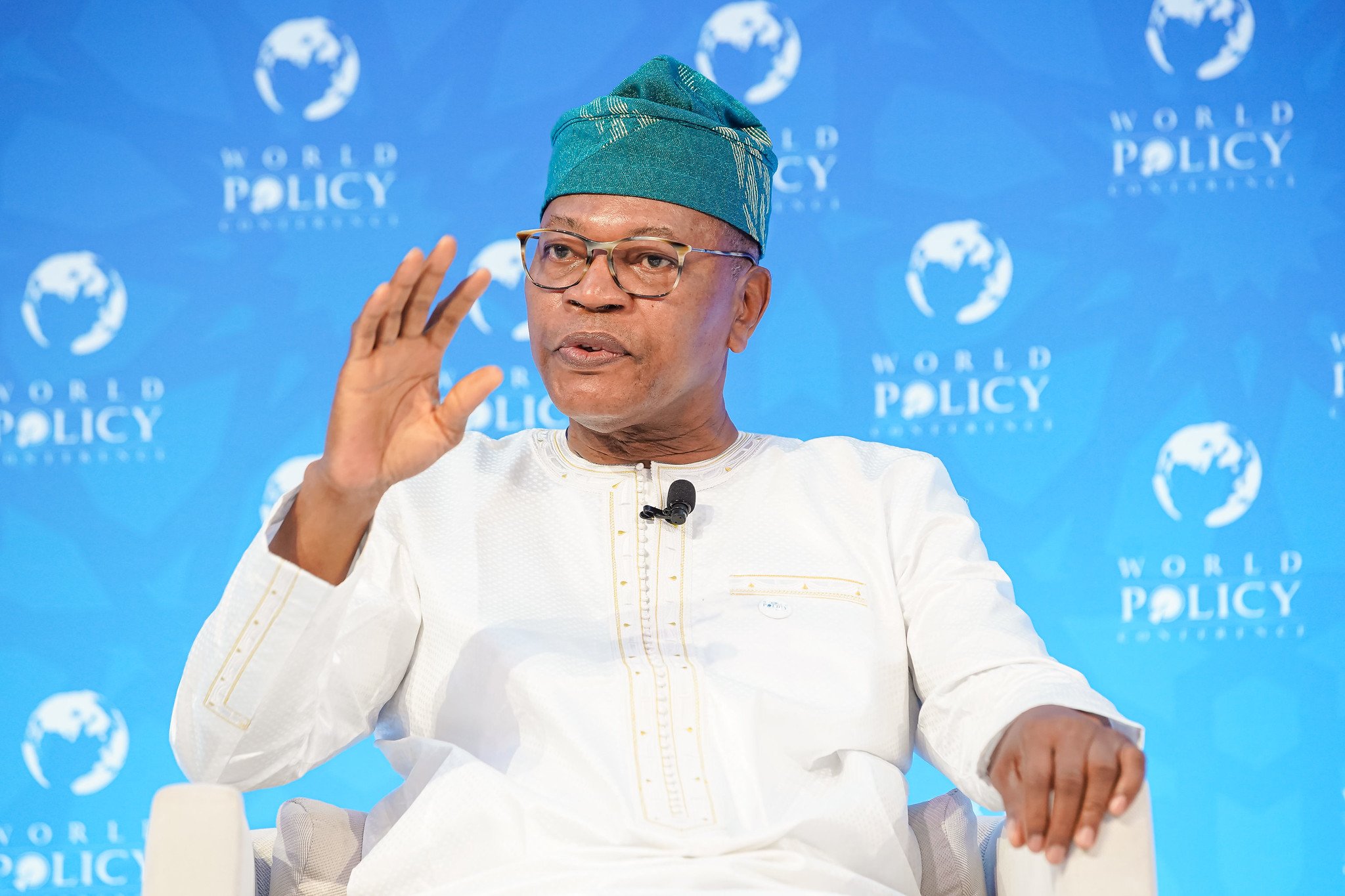
By Ayomide Otitoju
The African Union High Representative for Silencing the Guns and Chairman of the ECOWAS Trade Liberalisation Scheme (ETLS) Task Force, Dr. Mohamed Ibn Chambas, has called for renewed commitment among ECOWAS Member States to strengthen regional integration and improve trade facilitation across West Africa.
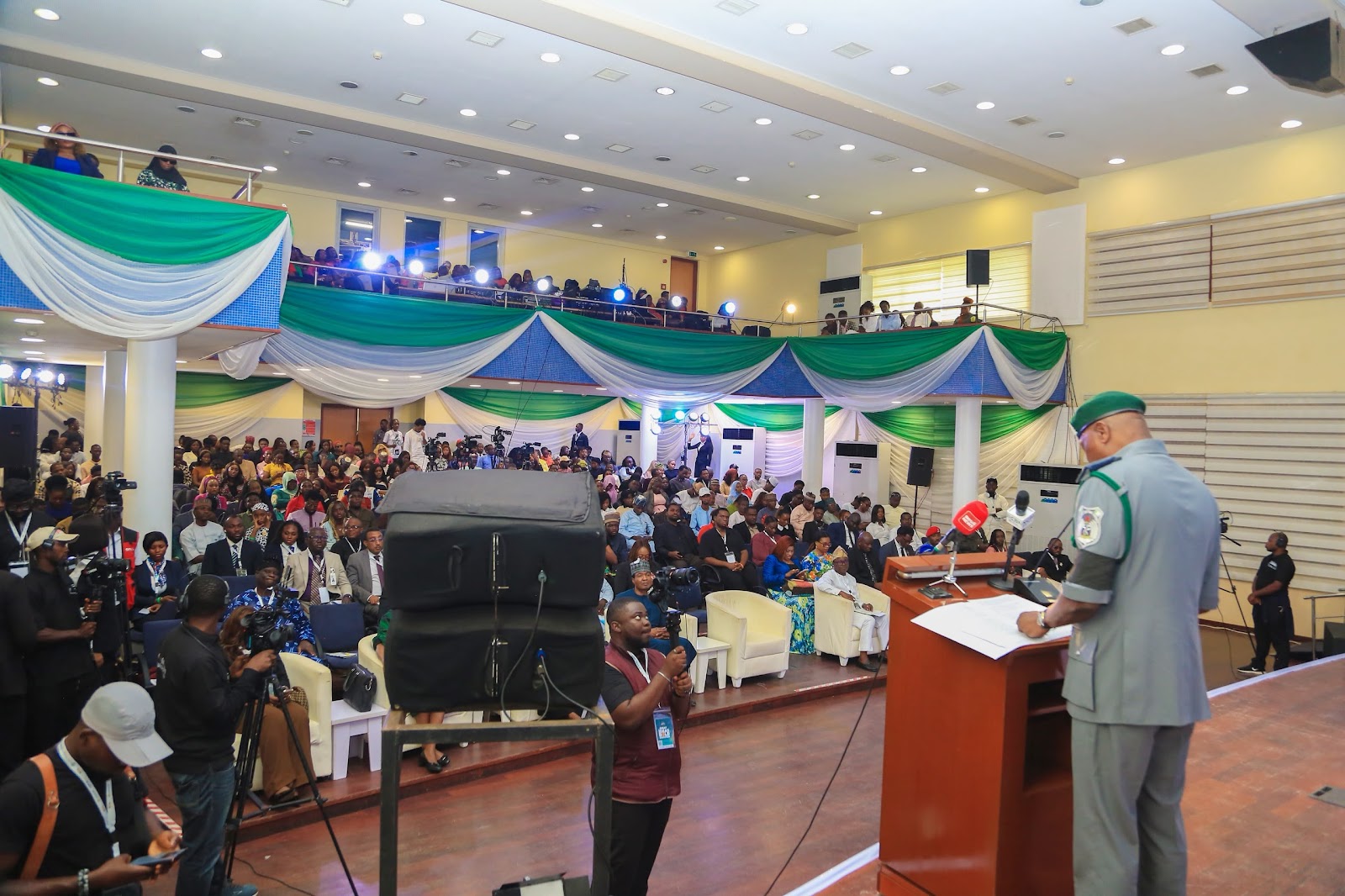
Speaking at the ECOWAS Trade and Investment Forum and Exhibition (ECOTIFE) on the theme “Regional Integration and Trade Facilitation,” Dr. Chambas highlighted the critical role of the ETLS Task Force—established under Regulation Nº PC/REG 01/11/15 of November 25, 2015—in promoting free movement of persons and goods within the subregion.
He explained that the Task Force’s mandate includes arbitration, amicable dispute resolution, and high-level advocacy among Member States. “The ETLS Task Force is a major instrument of integration. It ensures the effective implementation of ECOWAS protocols through dialogue and on-site monitoring,” he said.
Dr. Chambas also noted the introduction of complementary mechanisms such as the Interconnected System for the Management of Goods in Transit (SIGMAT), which enables real-time customs data exchange across West African countries, and the ECOWAS National Biometric ID Card (ENBIC), designed to facilitate labor mobility and entrepreneurship.
However, he lamented that, nearly five decades after the launch of the ETLS, several challenges persist. These include multiple checkpoints, illicit road payments, long border delays, and inconsistent application of customs rules and certificates of origin. “We continue to witness tariff refusals, export bans, and non-recognition of certificates. These practices increase costs and discourage intra-regional trade,” Chambas stated.
He identified additional obstacles such as low production capacity, lack of a formal regional dispute resolution mechanism, and the absence of a simplified trade regime to support small-scale cross-border traders—most of whom are women.
Citing an OECD/SWAC 2025 report, he revealed that actual intra-regional food trade is six times higher than official statistics, estimated at $10 billion annually, with 85% of transactions unrecorded. “The majority of these traders are women who face harsh conditions at the borders. ECOWAS must take deliberate action to improve their working environment,” he urged.
Dr. Chambas recommended that ECOWAS integrate modules on free movement and trade protocols into the curricula of customs, police, and immigration training schools. He further advised that Resident Representatives in Member States should monitor the implementation of ETLS Task Force recommendations and that an annual review meeting be institutionalized.
He also proposed the reactivation of the ECOWAS Solidarity Fund to help offset financial losses that may arise from the enforcement of regional trade agreements, particularly for smaller economies.
“The Solidarity Fund will help address developmental imbalances and incentivize compliance with community protocols,” he said.
Highlighting the Task Force’s partnership with the ECOWAS Business Council, Trade Promotion Organizations, and the Borderless Alliance, Dr. Chambas stressed the need for a “people-centered” integration approach. “Trade facilitation should not be a government-to-government affair alone. It must reflect the aspirations of our people and empower those driving economic activity across our borders,” he concluded.