




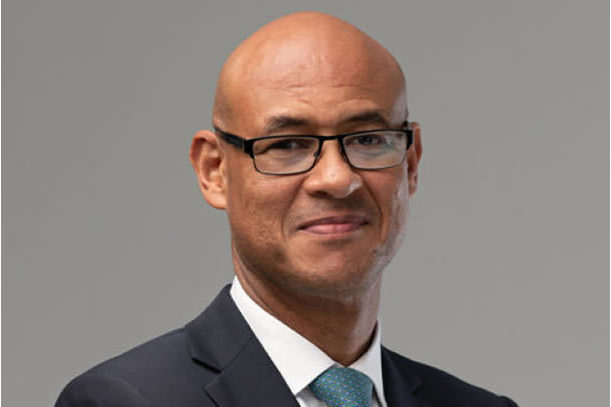
By Ayomide Otitoju
The Chief Executive Officer of Ecobank Transnational Inc., Jeremy Awori, has called on African nations to intensify trade among themselves in response to the new tariff measures introduced by former U.S. President Donald Trump, warning that the continent could face serious economic setbacks if action is not taken swiftly.
In an interview with Bloomberg TV, Awori highlighted that while the United States is not Africa’s largest trading partner, the ripple effects of the new tariffs—particularly the dismantling of the African Growth and Opportunity Act (AGOA)—could have significant indirect consequences for the region’s economies.
AGOA has provided tariff-free access to the U.S. market for about 30 African countries, supporting the development of export-driven sectors such as textiles and apparel. In 2023, sub-Saharan Africa exported $29 billion worth of goods to the U.S., making it the region’s fourth-largest export destination after China, the United Arab Emirates, and India.
Trump’s new trade regime replaces AGOA with a broad-based tariff structure, with duties ranging from 10% for countries like Benin, Kenya, and Cape Verde to as high as 50% for Lesotho—the highest rate imposed on any sovereign country.
Awori warned that even though the U.S. is not the primary trading partner for most African countries, the tariffs could reduce global demand for African goods if larger trading partners, such as China, scale back imports due to economic strain.
“The new U.S. tariffs underscore the urgency of fully implementing the African Continental Free Trade Area (AfCFTA),” Awori said, referencing the landmark agreement that came into effect in October 2022. “Africa must not only reduce tariffs but also tackle non-tariff barriers—such as restrictive visa regimes and transport bottlenecks that hinder trade, especially for landlocked countries.”
The Ecobank chief added that the tariffs come in the wake of Trump’s earlier decision to freeze development aid to Africa, a move that Ecobank research estimates could plunge an additional six million people into extreme poverty across the continent.
Nigeria’s Federal Government, reacting on Sunday, said the new U.S. trade policy threatens to disrupt the country’s non-oil exports, many of which were previously shielded under AGOA. The government noted that the newly introduced 10% duty on select categories would erode the competitiveness of Nigerian products in the American market.
Despite the continent’s efforts to boost economic integration, progress has been slow. Intra-African trade rose by 3.2% to $192 billion in 2023, but this still represents only 15% of Africa’s total trade volume. The World Bank has projected that full implementation of AfCFTA could increase African exports by as much as $560 billion.
Awori reiterated that the key to long-term economic resilience lies in Africa’s ability to trade with itself, process its raw materials locally, and build value chains that retain more wealth within the continent.
“Now more than ever, African countries must focus on trading more with each other and creating a seamless framework for intra-continental commerce,” he said.