


By Ayomide Otitoju
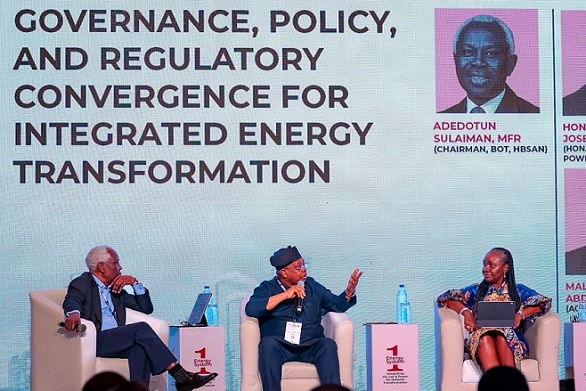
A senior energy industry executive has called for stronger efforts to ensure women move beyond symbolic representation to meaningful influence in leadership and decision-making roles across the sector.
Reflecting on her career experience, the executive said that being the only woman in professional settings early in her career heightened her awareness of gaps in representation and the perspectives often overlooked in male-dominated spaces.
She noted that while progress has been made in recent years—with more women attending industry conferences and entering junior positions—the presence of women in key decision-making forums remains limited.
According to her, celebrations of women’s achievements must translate into tangible structural change within organisations.
The executive emphasized that the issue carries particular importance in the energy sector, where decisions influence not only technical operations but also economic opportunities, employment, and community development.
Citing a personal experience during a project in Uganda, she recalled a compensation discussion with a family whose property had been affected by an energy project. While the husband initially led the conversation, the wife ultimately provided deeper insight into the household’s needs and the broader community impact.
“That moment changed how I think about influence,” she said, noting that women often hold critical knowledge about family and community dynamics that can shape fair and effective project outcomes.
She also highlighted the role of women professionals in technical and operational environments. In Mozambique, she recounted how a female mid-level engineer identified a technical flaw in a project plan that had previously gone unnoticed, prompting a revision of the strategy.
The executive said such moments demonstrate the importance of creating environments where women are empowered to question, challenge, and contribute to key decisions.
At TotalEnergies, she said initiatives have been introduced in projects such as the Tilenga Project and the East African Crude Oil Pipeline (EACOP) to strengthen women’s participation in project benefits. These measures include requiring the signatures of both spouses for compensation agreements, promoting joint bank accounts, and providing financial literacy training to couples.
She added that similar progress has been recorded within the company’s Nigerian operations, where deliberate recruitment strategies have helped expand female representation in leadership roles.
Between 2022 and 2024, more than half of newly filled senior positions in the company’s Nigeria affiliate went to women, a development she attributed to sustained investment in talent development rather than quotas.
While acknowledging these improvements, the executive urged both individuals and institutions to sustain the momentum.
She encouraged women to actively pursue leadership opportunities, acquire new skills, and build professional confidence, while calling on organisations to strengthen mentorship programmes, training initiatives, and workplace policies that enable women to advance.
According to her, the ongoing energy transition across Africa represents a defining economic shift that will shape opportunities and development for decades.
Ensuring women’s participation in shaping that future, she said, is essential to building a more inclusive and sustainable energy sector.
She concluded that the objective should go beyond increasing the number of women in leadership spaces to ensuring they have the authority and influence needed to shape decisions that affect businesses, communities, and the continent’s energy future.