






By Ayomide Otitoju
Women’s rights advocates have hailed a historic decision by the African Commission on Human and Peoples’ Rights, which found the Democratic Republic of Congo (DRC) responsible for widespread sexual violence committed by its military forces in South Kivu in 2011.
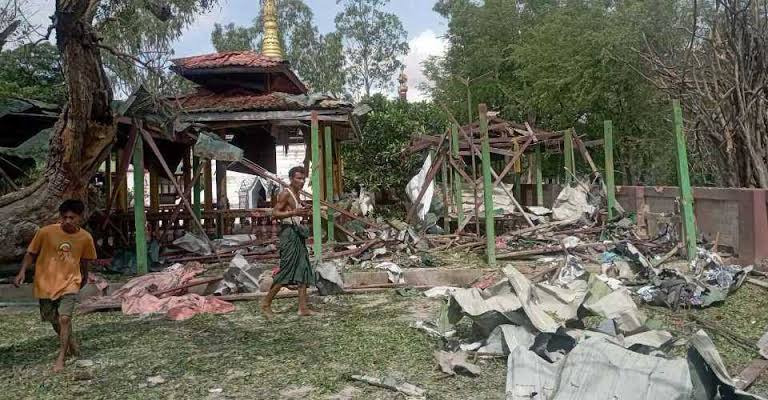
The ruling, delivered under Communication 686/18, stems from atrocities committed on January 1, 2011, when Congolese soldiers attacked communities in Fizi Territory, raping and torturing more than 50 women. Many were murdered, while homes were looted and destroyed.
For over a decade, survivors were denied justice as military trials stalled, court officials failed to appear, and authorities refused to hold hearings near the victims’ communities.
The Association des Femmes Avocates Défenseurs des Droits Humains, Equality Now, and the Institute for Human Rights and Development in Africa (IHRDA) brought the case before the African Commission, which has now ordered the DRC to prosecute and sanction perpetrators within six months. The State must also compensate survivors, and provide free medical and psychological care.
Wivine Kavira, from the Association des Femmes Avocates Défenseurs des Droits Humains, described the decision as a “milestone” that recognises sexual violence as a weapon of war and affirms survivors’ right to justice.
“This is not only a legal victory but a moral and historic one. For the 53 Congolese women we represented—survivors of rape, torture, and unimaginable violence—this ruling provides long-overdue recognition of the harms they suffered and the State’s failure to act,” she said.
The African Commission found that the DRC violated multiple provisions of the African Charter on Human and Peoples’ Rights and the Maputo Protocol, including the rights to life, dignity, health, and protection from torture. The ruling emphasised the gendered nature of the attacks, noting that the violence specifically targeted women to degrade and dehumanise them.
Esther Waweru, Senior Legal Advisor at Equality Now, said the decision “sets a critical legal precedent for the African continent, especially in enforcing the Maputo Protocol and holding states accountable for gender-based crimes.”
The Commission also directed the DRC government to issue a public apology, integrate women’s rights into the training of its military, police, and judiciary, and publish the ruling in an official journal. The State is required to submit an implementation report within 180 days.
This ruling comes amid a surge in sexual violence across the DRC, where rape continues to be used as a weapon of war. UNICEF recently reported that children made up 35–45% of nearly 10,000 recorded cases of rape and sexual violence in January and February 2025, highlighting the scale of ongoing abuses.
Dr. Musa Kika, Executive Director of IHRDA, said the ruling affirms that African human rights mechanisms are not merely symbolic but “effective accountability tools for addressing gender-based crimes, especially those committed by state actors during conflict.”
The decision is now seen as a watershed moment for women’s rights and justice in Africa, setting a binding precedent that governments cannot ignore sexual violence perpetrated under their watch.