







By Ayomide Otitoju
Dangote Petroleum Refinery & Petrochemicals has reaffirmed its commitment to supporting Nigeria’s energy stability despite recent disruptions in the global oil market triggered by geopolitical tensions in the Middle East.
The company said the ongoing conflict in the region has forced the shutdown of several refineries and reduced global refining output, contributing to a tightening supply of petroleum products. It also noted that China has halted the export of gasoline and diesel, further straining international supply.
According to the refinery, its operations are expected to help shield Nigeria from the impact of these global shocks by prioritising the supply of refined products to the domestic market—one of the key advantages of local refining capacity.
The refinery disclosed that the crisis has pushed global crude oil and freight prices sharply higher, with benchmark Brent Crude prices rising by about 26 per cent within a short period to above $84 per barrel. In response to rising input costs, the refinery implemented a N100 per litre increase in its ex-depot price of Premium Motor Spirit (PMS), representing roughly a 12 per cent adjustment.
Despite the increase, the company said it has absorbed about 20 per cent of the cost escalation to cushion the impact on the domestic market, even as it continues to purchase crude at prevailing international prices, whether sourced locally or from foreign suppliers.
The refinery noted that Nigerian crude typically sells at a premium of $3 to $6 above Brent prices. After factoring in freight costs of about $3.50 per barrel, crude delivered to the refinery’s tanks currently costs between $88 and $91 per barrel. This compares with roughly $68 per barrel when the refinery’s ex-depot PMS price stood at N774 per litre.
The company also explained that it receives approximately five cargoes of crude oil monthly from the Nigerian National Petroleum Company Limited, which are paid for in naira but priced at international market rates plus a premium. However, the supply falls short of the 13 cargoes required monthly to meet domestic demand, forcing the refinery to procure additional crude from local and international traders using foreign exchange at open market rates.
According to the company, the situation has been compounded by limited crude supply from domestic upstream producers, despite provisions under the Petroleum Industry Act requiring local refineries to be supplied. As a result, the refinery said it has had to rely heavily on international traders, who often charge additional premiums.
Operating as a private business within Nigeria’s deregulated downstream sector, the refinery said it has adjusted pricing in line with market realities to ensure sustainability. It warned that selling refined products below production cost could undermine its ability to secure crude supplies, maintain operations and ensure uninterrupted fuel availability.
Nevertheless, the company emphasised that large-scale domestic refining significantly reduces Nigeria’s vulnerability to international supply disruptions, lowers foreign exchange demand and helps prevent severe product shortages during periods of global instability.
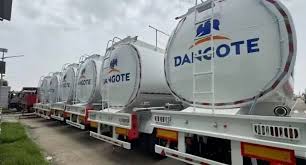
In addition, the refinery announced plans to accelerate the deployment of Compressed Natural Gas (CNG)-powered trucks to strengthen nationwide fuel distribution, reduce logistics costs and improve delivery timelines across the downstream sector. The rollout of the trucks is expected to begin this month.
The company said it remains committed to transparency, operational efficiency and the long-term goal of ensuring sustainable and affordable energy security for Nigeria.